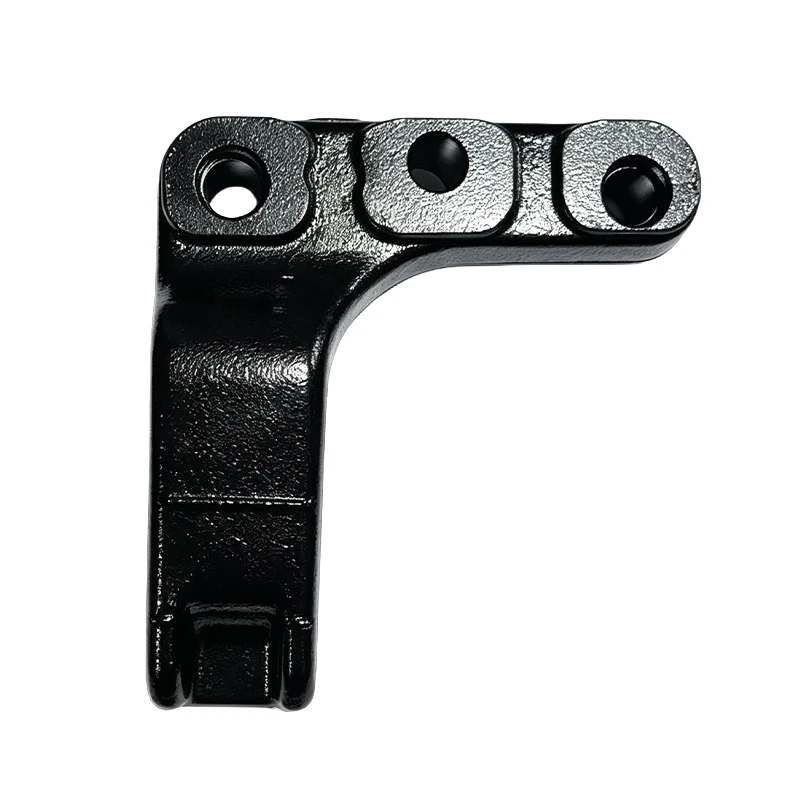
Mounting and suspension connection components operate under continuous vibration, mechanical impact, and changing environmental conditions. They are important structural parts of a vehicle's powertrain and chassis systems. During everyday driving, powertrain vibration, repeated road impacts, and forces generated during acceleration, braking, and cornering are transferred through these connection points. Regular maintenance helps identify potential issues early and reduces the risk of abnormal component behavior affecting vehicle operation.
Routine inspections should focus on the visible condition and mounting status of the components. Depending on the vehicle and service requirements, brackets, suspension connection parts, and related structures should be checked for visible deformation, cracks, corrosion, or other signs of damage. Any significant structural abnormality should be assessed by a qualified technician rather than ignored.
Special attention should be given to components that incorporate rubber bushings. Long-term exposure to temperature changes, moisture, vibration, and mechanical loading can cause elastomeric materials to age, crack, harden, or deform. When a bushing shows significant deterioration, its ability to provide cushioning and vibration isolation may be reduced, and replacement may be necessary depending on its condition.
Fastener condition is another important part of routine maintenance. Continuous vehicle vibration can affect connection points over time, so relevant fasteners and mounting areas should be inspected during scheduled service in accordance with the vehicle manufacturer's requirements. If a connection shows signs of looseness, it should be properly serviced by a qualified technician using the specified procedures.
Keeping the mounting area reasonably clean can also make inspection easier. Mud, oil residue, and road debris can accumulate around chassis components and make it more difficult to identify early signs of wear or damage. During routine servicing, these areas can be cleaned appropriately, but cleaning methods that may damage rubber components or protective surface treatments should be avoided.
Changes in vehicle behavior should also be taken seriously. Unusual chassis noises, increased vibration, or abnormal impacts when driving over uneven roads may indicate an issue with a mounting or suspension connection component. Professional inspection is recommended when such symptoms appear rather than relying on the replacement of individual parts without identifying the underlying cause.
When replacement is required, the new component should match the vehicle model, mounting position, dimensions, and applicable technical requirements. Different component designs should not be substituted without verification, particularly at powertrain and suspension connection points where dimensional accuracy and proper installation are critical.
Overall, routine maintenance of mounting and suspension connection components is relatively straightforward, but consistency is important. Regular inspection, timely attention to abnormal conditions, and proper replacement procedures can help maintain stable chassis connections and extend component service life, supporting safe and smooth vehicle operation.