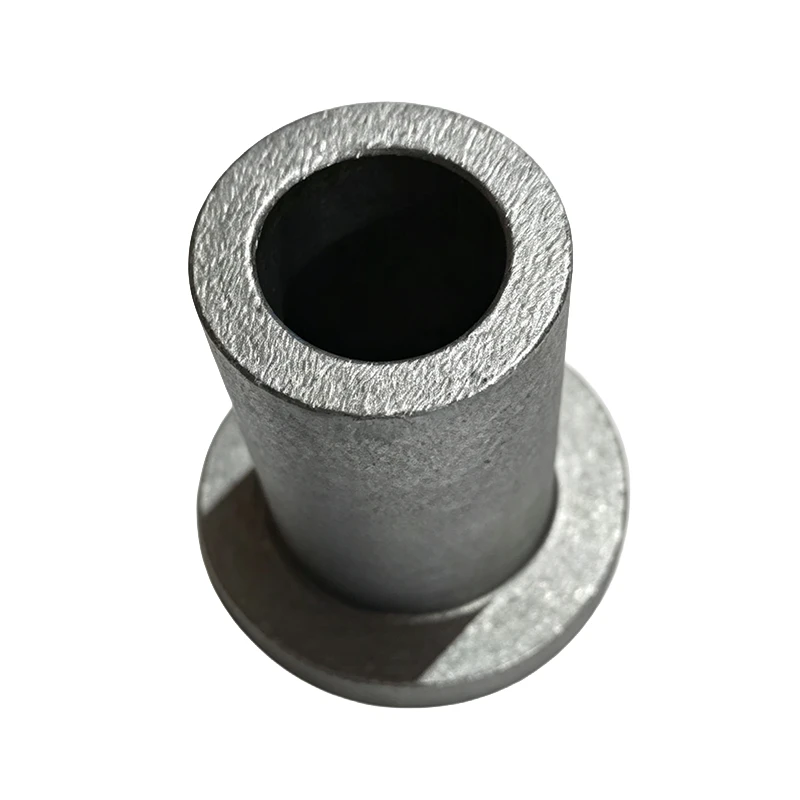
Subframe fasteners are important mechanical components within automotive chassis connection systems. They secure the subframe to the vehicle body and work together with suspension and other chassis components to form a stable structural joint. Because subframe mounting points are exposed to vibration, impact, and cyclic loading throughout the vehicle's service life, fastener design must address more than basic installation requirements. Strength, joint stability, preload control, and durability are all important considerations.
Common subframe fastening arrangements use bolts, nuts, washers, or related hardware. A typical bolt consists of a head, shank, and threaded section. The head provides the interface for applying installation torque, while the shank contributes to the transfer of tensile and shear loads. The threaded section engages with a nut or threaded mounting point to create the mechanical joint. Fastener dimensions and configurations vary according to the available installation space and the loads expected at each mounting location.
Subframe fasteners are designed to manage specific load conditions. During vehicle operation, mounting points can be subjected to tensile, shear, and cyclic forces. The fastener must therefore work effectively with the surrounding joint structure. Parameters such as shank diameter, thread dimensions, and effective engagement length can be selected to provide the required connection strength while remaining compatible with the available packaging space.
Preload is a key feature of bolted subframe connections. During installation, the fastener is tightened according to the specified torque or assembly procedure to generate an appropriate clamping force between the connected components. Proper preload improves contact between mating surfaces and helps reduce the risk of joint movement or loosening under prolonged vibration.
Joint security can also be enhanced through suitable thread configurations, locking features, or compatible hardware. The exact solution depends on the vehicle design and fastener specification, and different fastening systems should not be substituted without verification. For critical chassis connections, accurate torque control and proper assembly procedures are particularly important.
Surface protection is another structural consideration for fasteners used in underbody applications. Subframe mounting hardware can be exposed to moisture, mud, road debris, and de-icing salts. Appropriate coatings or surface treatments can improve corrosion resistance and help preserve fastener performance over time.
Overall, subframe fasteners feature established mechanical designs, reliable load transfer, controlled preload requirements, and durability suited to demanding chassis environments. Through appropriate structural engineering, material selection, manufacturing processes, and installation control, these fasteners can provide stable and durable connections between the subframe and vehicle body throughout long-term vehicle operation.