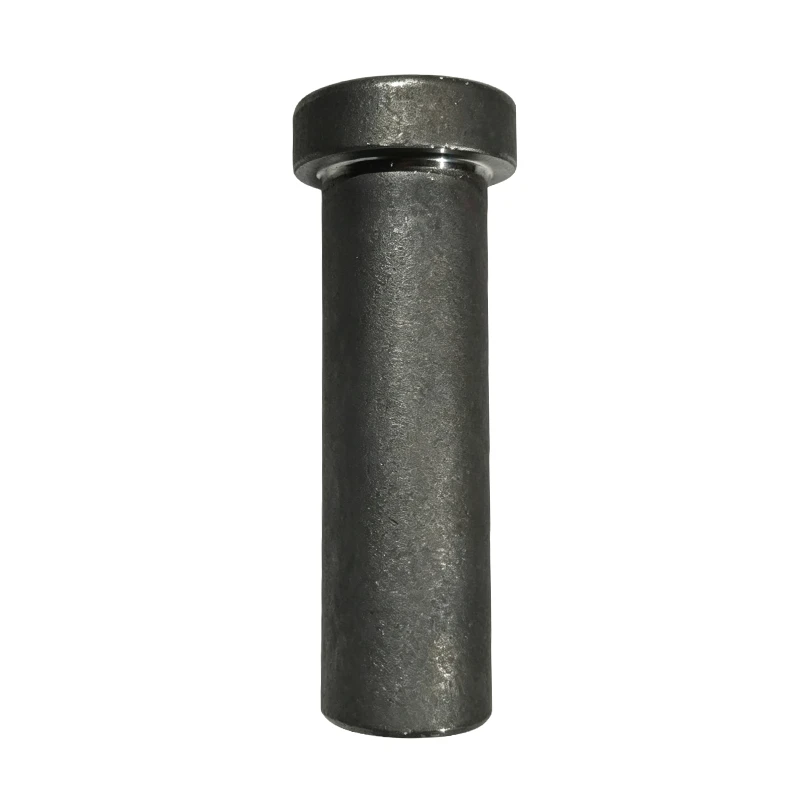
Subframe fasteners are essential hardware components used in automotive chassis systems. They secure the subframe to the vehicle body and connect it with suspension and other chassis assemblies. Because the subframe is exposed to loads transmitted from the road, suspension, and powertrain, its fasteners must do more than simply hold components together. They must maintain a reliable clamping connection under vibration, impact, and changing operating loads.
High mechanical strength is one of the defining characteristics of subframe fasteners. Subframe mounting points can experience tensile, shear, and cyclic loads during vehicle operation. Fasteners must therefore provide adequate strength and maintain the required clamping force under specified conditions, helping prevent unwanted movement or instability at the connection points.
Dimensional accuracy is another important characteristic. Thread specifications, shank diameter, fastener length, head dimensions, and mating tolerances must be compatible with the subframe and vehicle body mounting structure. Consistent manufacturing dimensions support efficient assembly and help ensure proper engagement between the fastener and the mounting interface.
Resistance to vibration is particularly important in chassis applications. A vehicle is continuously exposed to vibration, while uneven roads, acceleration, braking, and cornering generate changing loads at the subframe mounting points. Properly selected fasteners, together with an appropriate joint design and installation procedure, help maintain the required preload and reduce the likelihood of loosening during long-term service.
Environmental resistance is also an important consideration. Fasteners located underneath the vehicle may be exposed to moisture, mud, road debris, and de-icing salts. Suitable material selection and surface treatments can improve corrosion resistance and help maintain reliable performance in demanding operating environments.
Application flexibility is another practical feature. Different vehicle platforms and chassis architectures may require different thread specifications, lengths, strength grades, and installation methods. Fasteners therefore need to be selected according to the specific vehicle model, joint design, and mounting location rather than treated as interchangeable hardware.
Overall, subframe fasteners are characterized by high mechanical strength, consistent dimensional accuracy, reliable joint performance, vibration resistance, and environmental durability. As automotive chassis structures continue to evolve, fastener technology is also placing greater emphasis on material performance, manufacturing precision, and joint reliability, providing a secure mechanical interface between the subframe and vehicle body.