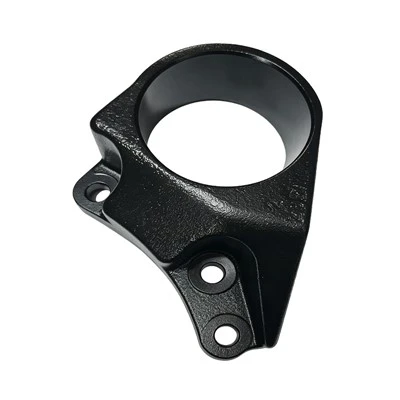

If you’ve ever spent hours tweaking your car’s aero setup, you know how crucial it is to get every part right. One question I get all the time as a chassis mount wing brackets supplier is: Do these things actually require drilling? I’m not here to give you a generic “yes” or “no” — this is something that depends on your vehicle, the brackets you pick, and what kind of driving you’re planning. Let’s break it down like we’re hanging out in my warehouse, talking shop over a cold soda.
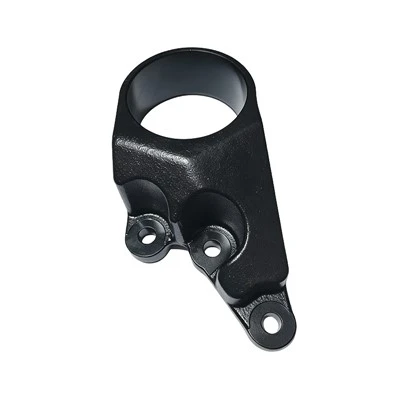
First off, let’s get on the same page about what chassis mount wing brackets even are. They’re the hardware that connects your rear wing (or splitter, for that matter) directly to your car’s frame rails, not the trunk lid or rear bumper. That’s a big deal for stability — no one wants their wing flopping around at 100 mph. Now, drilling: that old-school method where you make holes in your chassis to bolt things down. Back in the day, almost every aero part needed at least one hole, but times (and parts) have changed a lot.
Let’s start with the two main types of chassis mount wing brackets we stock. First, there’s the universal fit brackets — these are for people who like custom builds, or don’t want to deal with brand-specific parts. Most universal ones do require drilling because they’re made to work with a wide range of chassis sizes. You’ve got to line them up, mark the holes, and drill into the frame rails. But wait, before you grab your drill, let’s talk about the other type: brand-specific brackets made for specific cars like Honda Civics, Subaru WRXs, or Ford Mustangs. These are designed to fit perfectly with pre-existing chassis holes — no drilling needed, usually. That’s a huge win for people who don’t want to mess with their factory chassis, which can void warranties or even weaken the frame if you don’t do it right.
Wait, let’s not forget about related parts that tie into this. If you’re adding a wing, you might also need chassis mount splitter brackets (/automotive-chassis-parts/chassis-mount-splitter-brackets.html) for the front end, or a chassis support bracket (/automotive-chassis-parts/chassis-support-bracket.html) to keep everything sturdy. The rule of thumb here is: if your other aero parts use existing holes, your wing brackets probably will too. But if you’re mixing and matching, always double-check.
Now, let’s get into the science of why you might (or might not) need to drill. Chassis strength is everything. If you drill into your chassis, you have to make sure you’re not hitting any critical components — fuel lines, brake lines, wiring harnesses, or structural crossmembers. Drill the wrong spot, and you could cause real damage. That’s why so many modern bracket manufacturers design their parts to use existing mounting points. For example, our chassis mounting brackets (/automotive-chassis-parts/chassis-mounting-bracket.html) are engineered to line up with factory chassis holes for most popular performance cars, so you don’t have to drill a single thing. We spent months testing these to make sure they hold up at track speeds — no weak points, no extra holes needed.
But here’s the catch: not all chassis are the same. If you’ve got a classic car, a custom-built tube frame, or a race car that’s been modified beyond factory specs, you might need to drill. Classic cars usually don’t have pre-threaded holes for aero parts, so drilling is the only way to get a secure mount. Tube frame race cars are built with specific mounting points, but sometimes you have to drill new ones to match your wing’s layout. Also, if you’re running a huge, high-downforce wing (like for drag racing or road course), you might need extra mounting points — which means drilling — to keep it from flexing at high speeds. Flex in a wing is a bad thing; it messes with aerodynamics and can cause failure.
Let me share a real example from a customer last month. He had a 2018 Subaru WRX, which is one of the most common cars for aftermarket aero. He ordered our chassis mount wing brackets (/automotive-chassis-parts/chassis-mount-wing-brackets.html) — the brand-specific ones for WRXs — and called me panicking because he thought he’d have to drill. He pulled the rear carpet, found the pre-existing holes in the frame rails, lined the brackets up, and bolted them right on. No drill, no mess, 30 minutes total. He texted me a pic of his car at the track a week later, and that wing was holding solid at 120 mph. That’s the win we love to see.
Another customer had a 1967 Camaro, custom-built for road racing. He wanted a bigger wing than the factory setup allowed, so our brand-specific brackets didn’t work. We ended up selling him our universal chassis mount wing brackets, and he had to drill four holes in the frame rails. He said it took an hour, but he used a step drill bit to make clean holes, and added some anti-corrosion spray to the metal after. A month later, he told me the wing was better than any factory setup he’d ever had. So it’s not that drilling is “bad” — it’s just a different process for different builds.
Now, let’s talk about mistakes to avoid if you do have to drill. First, never use a regular drill bit for metal — use a step drill bit or a cobalt bit. These cut clean holes without slipping, which is crucial for keeping your chassis strong. Second, always mark the holes with a center punch first. If you don’t, the drill bit will walk, and you’ll end up with a hole in the wrong spot. Third, don’t drill through both sides of the frame rail unless you know what’s on the other side. Sometimes, a frame rail is hollow, so drilling all the way through could puncture something inside. And finally, if you’re not comfortable drilling your chassis, take it to a professional. It’s not worth risking your car’s safety to save a few bucks on a drill.
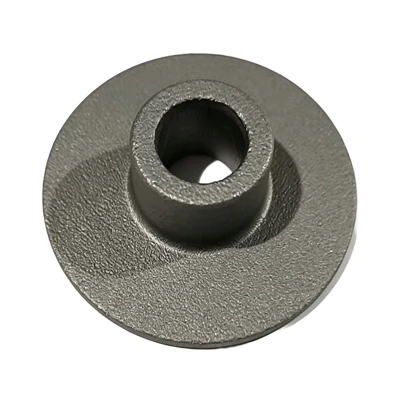
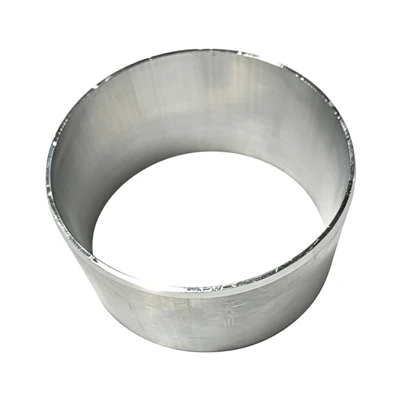
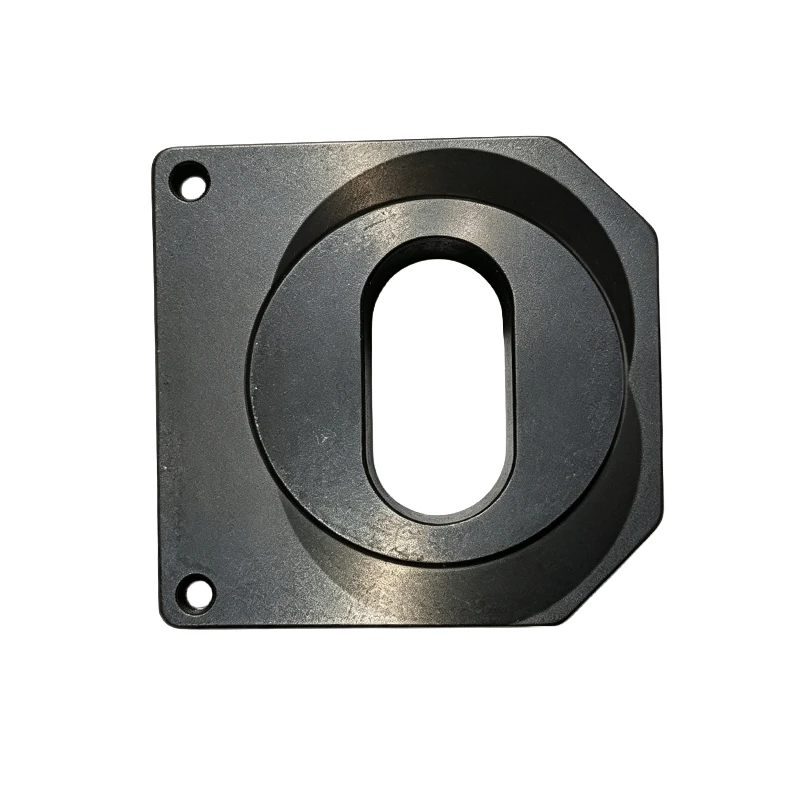
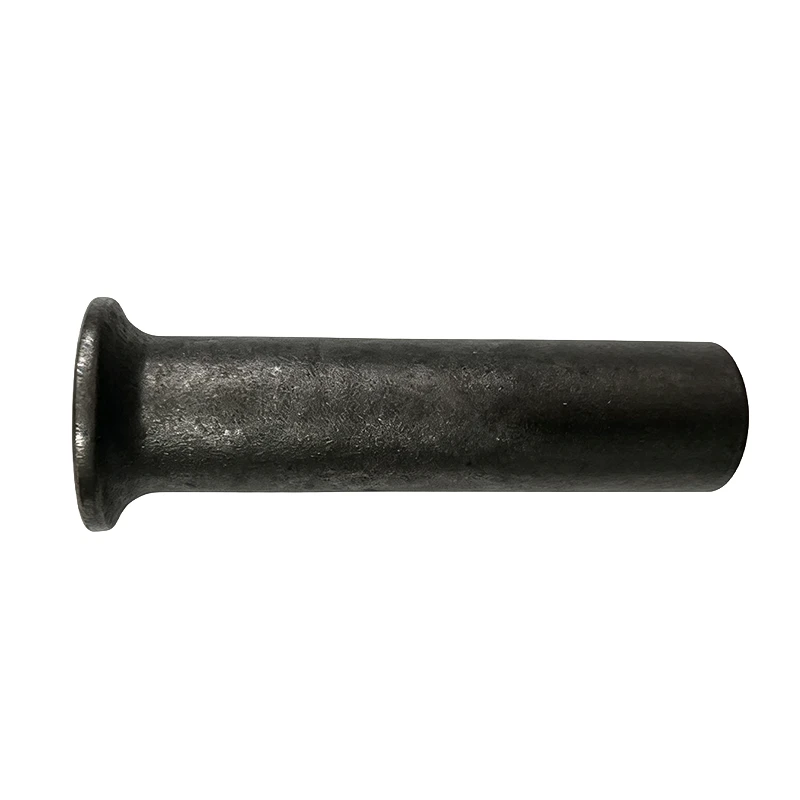
Wait, let’s circle back to why some brackets don’t require drilling. We also stock chassis mounting sleeves (/automotive-chassis-parts/chassis-mounting-sleeve.html) — these are great for when you need a secure mount without drilling through the entire frame. You insert the sleeve into an existing hole, bolt the bracket to the sleeve, and it locks in place. It’s perfect for people who want the stability of a chassis mount without modifying their chassis. That’s a game-changer for daily drivers who want to add a wing but don’t want to void their car’s warranty.
So, to sum up: Do chassis mount wing brackets require drilling? It depends. If you have a newer, popular performance car, and you get brand-specific brackets made for that model, chances are no drilling is needed. If you have a classic car, custom build, or race car, or you’re using universal brackets, you probably will need to drill — but as long as you do it right, it’s totally safe. Always check the bracket’s specs, double-check your chassis for existing mounting points, and if you’re unsure, ask a pro (or hit me up directly, I’m here to help).
Now, if you’re in the market for chassis mount wing brackets (or related parts like chassis mount splitter brackets, chassis support brackets, or chassis mounting brackets), we’ve got you covered. Every part we sell is tested for strength, and we work with builders of all levels — from weekend warriors to pro racers. Don’t guess on your aero setup; get parts that fit right, whether that means drilling or not. Reach out to our team to talk about your specific build, and we’ll help you find the perfect setup.
References
- Automotive Aero Engineering Association. (2022). Chassis Mounting Best Practices for Performance Vehicles.
- Performance Parts Manufacturing Association. (2023). Drill vs. No-Drill Aero Brackets: A Comparative Study.
- International Race Car Builders’ Association. (2021). Chassis Modification Guidelines for Aftermarket Aero Parts.
- Automotive Corrosion Control Institute. (2022). Metal Finishing and Corrosion Prevention for Chassis Mounts.