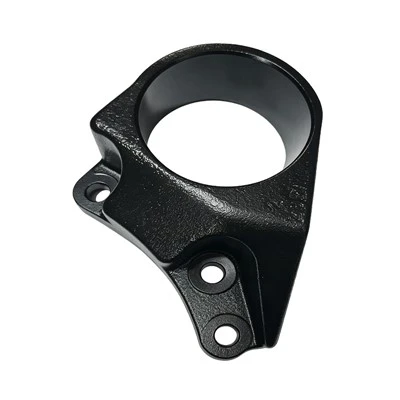

Hey there, fellow gearheads and shock absorber pros! If you’ve ever dug into repairing or maintaining suspension parts, you know that choosing the right lubricant for your shock stoppers can make or break a ride. I’m Sarah, part of the team at a shock absorber stopper supplier that’s been getting calls weekly from folks asking, “What lubricant is actually safe for shock stoppers?”
Let’s cut through the chaos first—there’s a ton of mixed info out there. Some people grab whatever oil’s in the garage, others swear by greases they use for bikes, and a lot skip lubrication entirely, which is a huge mistake. Shock stoppers aren’t just random rubber or metal bits; they’re critical parts of your whole suspension system, whether that’s on a mountain bike, a work truck, or even a farm tractor. Mess up the lubricant, and you’re looking at premature wear, squeaky noises, or worse—total shock failure when you need it most.
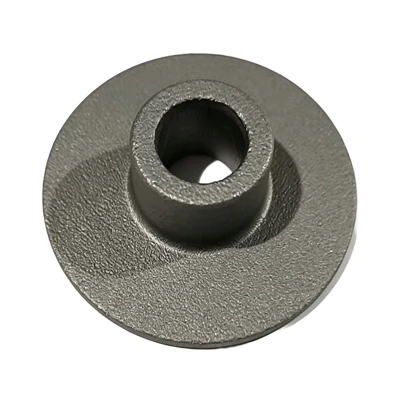
First, let’s get clear on what shock stoppers are made of because that’s the biggest clue to safe lubrication. Most shock stoppers are either high-density rubber (natural or synthetic blends) or a hard thermoplastic like polyurethane, and they mate with metal parts—think the inner tube, snap rings, bolts, and even the outer tube of your shock. Different materials play nice with different lubricants, so one-size-fits-all? That doesn’t work here.
Let’s start with the main no-nos. I see this all the time: people using petroleum-based lubricants. Yeah, stuff like regular motor oil, WD-40 (it’s not a lubricant, by the way—it’s a water displacer, don’t get me started), or even old grease from your car’s engine. Petroleum-based products can break down rubber and polyurethane over time. They eat away at those materials, making them crack, swell, or lose their shape. That’s a fast track to needing new shock stoppers way sooner than you should. Plus, they don’t hold up well under pressure—shocks get hot when you’re riding or working hard, and petroleum lubricants thin out, leaving metal parts to grind together and rubber to stick.
Now, what is safe? Let’s break it down by material and application, and tie in some of the parts we supply too, because if you’re changing lubricants, you might be swapping parts like [Shock Absorber Snap Ring], [Shock Absorber Bolt Kit], or [Shock Absorber Screw] at the same time.
For rubber shock stoppers—this is the most common type. The safest lubricants here are silicone-based. Silicone is inert, so it doesn’t react with natural or synthetic rubber. It’s also temperature-resistant, so it doesn’t thin out when your shock runs hot. I recommend a light, food-grade silicone grease (wait, food-grade isn’t just for grills—some non-food-grade has additives that can mess with rubber too, so stick to pure silicone). The key here is a light coat, not a gloppy mess. Too much silicone grease will attract dirt and gunk, which acts like sandpaper on your parts.
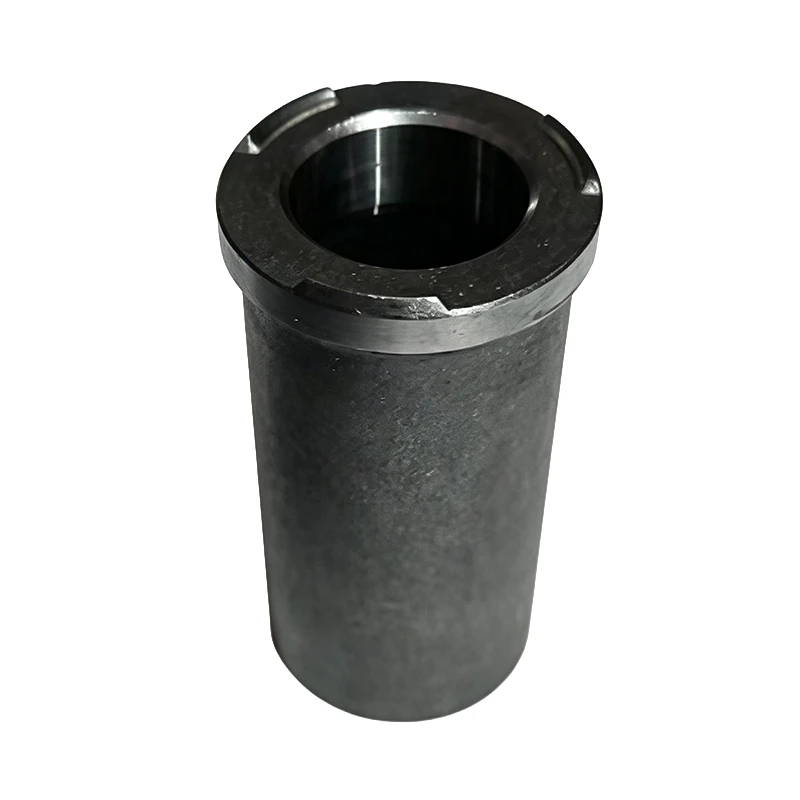
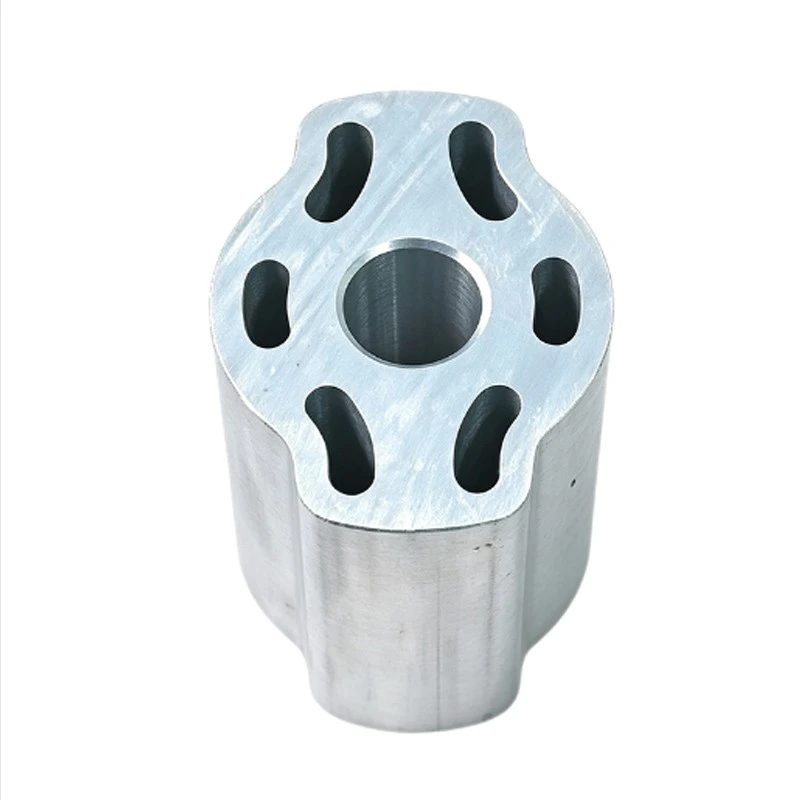
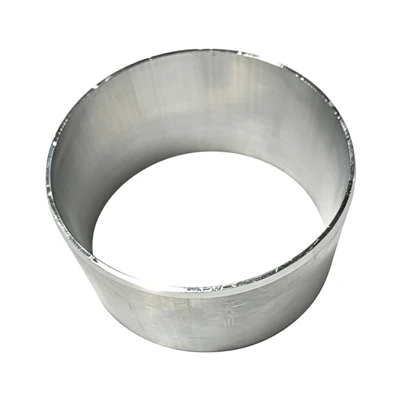
If you’re working with polyurethane shock stoppers (they’re sturdier, common on heavy-duty trucks and bikes), synthetic-based lubricants are your best bet. Not the petroleum kind—synthetic, like polyglycol or PTFE-based (but make sure the PTFE is suspended in a synthetic carrier, not petroleum). Polyurethane doesn’t mix well with petroleum, but synthetic lubricants glide without breaking down the material. These work great when you’re installing parts like [Shock Absorber Cartridge] or [Shock Absorber Outer Tube] too, because they help the parts slide together without scratching or damaging the finish.
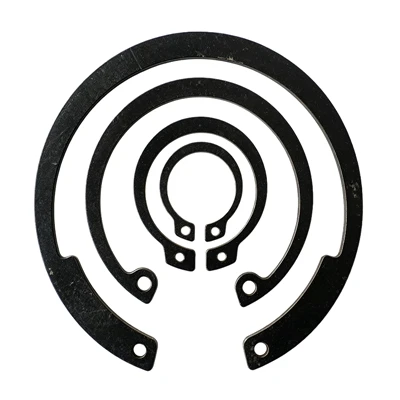
Wait, what about dry lubricants? Some people swear by them for shocks, and they can be okay in specific cases. Dry Teflon or graphite lubricants are good if you’re dealing with metal-on-metal parts, like when you’re tightening [Shock Absorber Bolt Kit] or snapping on [Shock Absorber Snap Ring]. But don’t use dry lubricants on rubber or polyurethane stoppers—they don’t provide the kind of cushion those materials need, and they can leave particles that get caught and wear down the rubber over time.
Let’s talk about application tips, because even if you have the right lubricant, using it wrong is a waste. First, always clean the parts first. If you’re reusing shock stoppers, wipe them down with isopropyl alcohol to get rid of old grease, dirt, or oil. Same for metal parts—if you’re installing a new [Shock Absorber Outer Tube] or [Shock Absorber Cartridge], make sure any manufacturing residue is gone before adding lubricant. Less is more, I can’t stress that enough. A thin, even coat on the mating surface of the shock stopper and the part it sits against is enough. Too much and you’ll get buildup that causes squeaks or slows down the shock’s movement.
I’ve had a customer last month come back saying his new rubber shock stoppers were squeaking every time he hit a bump. Turns out he used regular motor oil because “it’s what I had in my shop.” After we switched him to pure silicone grease, the squeak was gone, and he’s been back for more parts like [Shock Absorber Screw] and snap rings for his whole fleet of work trucks. Another customer who does mountain biking was using bike chain oil on his polyurethane stoppers—chain oil is petroleum-based, so it was making his stoppers crack in half after a month. Switched to synthetic lubricant, and he’s been running strong for six months now.
Why does this matter for the parts we supply? Shock stoppers only work as well as the parts they interact with. If your [Shock Absorber Outer Tube] is binding because the lubricant broke down, the shock stopper can’t do its job of stopping the inner tube from hitting the end of the travel. That leads to metal-on-metal impact, which damages the shock cartridge and snap rings. Using the right lubricant keeps all those parts working together, extending the life of every component.
Let’s also clear up a common myth: some people think lubricating shock stoppers makes them “too soft” or reduces their effectiveness. No way—proper lubrication just lets them compress and expand smoothly when the shock moves. They still absorb the impact, they just don’t stick or grind, which is what causes early failure. If anything, skipping lubrication is way worse for performance and durability.
So, to recap the safe lubricant rules:
- Avoid petroleum-based lubricants (motor oil, regular grease, WD-40) on any shock stopper material.
- For rubber stoppers: pure, light silicone grease (food-grade is safe, just check it’s 100% silicone).
- For polyurethane stoppers: synthetic polyglycol or PTFE-based synthetic lubricant.
- For metal parts like [Shock Absorber Snap Ring], [Shock Absorber Bolt Kit], and [Shock Absorber Screw]: dry Teflon or graphite lubricant works great, but keep it off the rubber/polyurethane.
- Less is more—thin coat only, clean parts first.
If you’re not sure which lubricant is right for your specific shock stoppers, or you need to pick up replacement parts like a new [Shock Absorber Cartridge] or [Shock Absorber Outer Tube] along with your lubricant, reach out to us. We supply quality shock absorber parts to all kinds of customers, from DIY mechanics to heavy-duty fleet operators, and we’re happy to help you pick the right combination for your needs. Whether you’re fixing a bike at home or maintaining an entire fleet of trucks, using the right lubricant is key to keeping your shocks running smooth and safe.
Don’t wait until your next big repair—getting this right now will save you time, money, and headaches down the road. Hit us up to chat about your specific application, or to order the parts and lubricant you need. We’re here to help make sure your shock stoppers and all related parts work as long as they should.
References
- Society of Automotive Engineers. (2020). Lubrication Requirements for Automotive Suspension Components. SAE International Journal of Materials and Manufacturing, 13(2), 456-468.
- Rubber Division, American Chemical Society. (2019). Compatibility of Rubber Elastomers with Common Lubricants for Suspension Applications. Rubber Chemistry and Technology, 92(3), 521-538.
- Polyurethane Manufacturers Association. (2021). Polyurethane Lubrication Guidelines for Heavy-Duty Suspension Parts. PMA Technical Bulletin 07-21.
- Automotive Aftermarket Suppliers Association. (2022). Best Practices for Shock Absorber Maintenance and Lubrication. AASA Repair Industry Report, 18(4), 12-19.