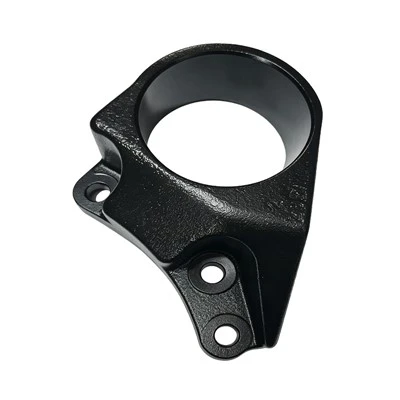

If you’ve ever dug into a Jeep Wrangler suspension project—whether you’re a weekend wheeling warrior or a gearhead with a half-finished garage build—you’ve probably stared at a tiny, unassuming part that makes or breaks your ride’s performance: the snap ring. And not just any snap ring, but the right size for your Wrangler’s shock absorber. Mess this up, and you’re looking at shocks shifting mid-bump, rattles that drive you crazy on the highway, or worse, a shock that pops right out when you’re tackling a rocky trail. As someone who’s been supplying these little lifelines for Jeep shocks for years, let me break this down like I do for every customer who calls panicking because their old snap ring went missing mid-install.
First off, let’s cut the fluff: there’s no one-size-fits-all here. The Wrangler line has been around in a few generations—YJ, TJ, JK, JL, even the new 4XE—and each one uses different shock parts. If you grab a random snap ring from your toolbox or a cheap Amazon part, you’re setting yourself up for a headache. Let’s start with the basics: what does a shock snap ring even do on a Jeep? It’s that small, circular metal clip that locks the shock’s outer components in place, keeps the piston from slamming through the tube, and ensures all the parts stay aligned when you hit a pothole or a 3-foot rock. Think of it like a door stop, but for your shock—without it, nothing stays where it’s supposed to.
Now, how do you find the right size? The first step is to pull your old shock and check it, because that’s the most accurate way. But if you’ve lost the old snap ring (we hear this all the time—customers tear apart their garage, only to realize the snap ring went flying when they removed the shock), don’t panic. Let’s talk about Jeep Wrangler shock sizes by generation, because that’s where the bulk of our supply comes from.
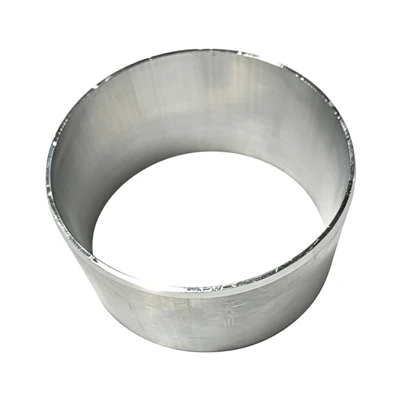
For the YJ Wrangler (1987-1995), most stock shocks use a 1.75-inch outer tube diameter. That means the snap ring needs to fit a shaft or groove of roughly 1.75 inches. Wait, let’s get specific: snap ring sizing is based on two key numbers—external diameter (for the groove in the tube) and internal diameter (for the groove on the piston or rod). For YJs, the rear shocks typically use an external snap ring that fits a 1.75-inch groove in the Shock Absorber Outer Tube, and the front might be slightly different, around 1.625 inches. The TJ Wrangler (1997-2006) is super similar to the YJ for stock setups, but if you’ve upgraded to off-road shocks (which most Wrangler owners do), the size jumps. We see a lot of TJ customers moving to 2.0-inch outer tubes, so their snap rings need to match that larger groove.
The JK Wrangler (2007-2018) is where it gets a little tricky, because stock JK shocks come in two common sizes: 1.75 inches and 2.0 inches. If you’re running stock, stick to 1.75-inch snap rings, but if you’ve installed aftermarket shocks (like Fox, Rancho, or Old Man Emu), you’ll need to match the shock’s specific tube size. A lot of JK owners lift their Wranglers, too—3-inch lifts, 4-inch lifts, that changes the shock length and thus the snap ring size. The JL Wrangler (2018-present), including the 4XE hybrid, uses even more consistent sizing for stock shocks—mostly 1.75-inch external snap rings, but again, upgrades mean checking the shock’s specs.
Wait, here’s a pro tip I learned early on as a supplier: don’t just go by the year of your Wrangler. A lot of JK owners swapped in JL shocks for better performance, or vice versa, so always measure the actual component you’re working with. Let’s walk through how to measure, because that’s way more reliable than guessing by model year. Grab a pair of digital calipers (cheap at any auto parts store—worth every penny) and measure the groove where the snap ring sits in the Shock Absorber Tube. That’s your go-to number. If the groove is 1.75 inches, you need a 1.75-inch external snap ring. If it’s 2.0 inches, that’s your size.
Why does this matter so much? Let’s say you put a 1.75-inch snap ring on a 2.0-inch groove. It’s going to be too small, it’ll slip out, and your shock will move around. If you put a 2.0-inch snap ring on a 1.75-inch groove, it’ll be too loose, it’ll rattle, and over time, it’ll wear out the groove in the shock tube. We’ve had customers come back to us with shocks that are ruined because they used the wrong snap ring—they had to replace the entire Shock Absorber Cartridge, which costs way more than a $5 snap ring. That’s the mistake of guessing instead of measuring.
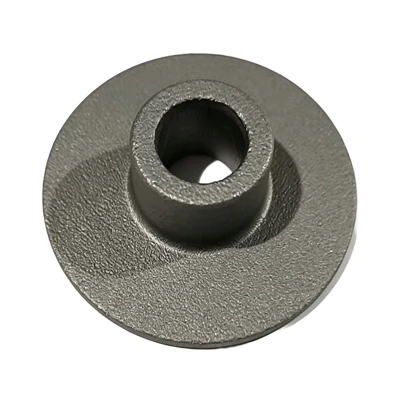
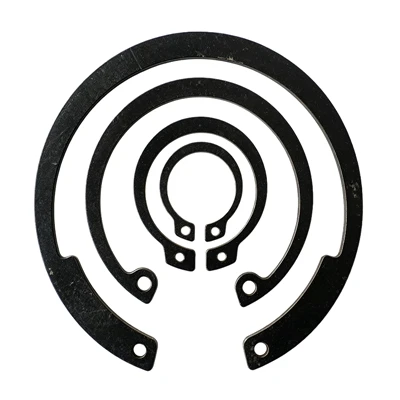
Another thing to consider: are you using internal or external snap rings? External snap rings sit in a groove on the outside of the shock’s outer tube, while internal ones sit inside the tube, locking the piston in place. Most Wrangler front shocks use external, rear use external too, but some aftermarket kits use internal. If you’re buying a shock upgrade, check the product specs—they’ll tell you what size snap ring you need. And if you’re replacing a full shock kit, don’t forget the other parts that work with the snap ring, like the Shock Absorber Stopper that sits on top of the snap ring to prevent it from digging into the tube or piston. A lot of people skip that, but it adds an extra layer of protection.
We also get a lot of questions about heavy-duty vs. standard snap rings. For regular daily driving or mild off-roading, a standard carbon steel snap ring works fine. But if you’re doing hardcore wheeling—rocks, mud, big jumps—you need a heavy-duty stainless steel snap ring. Those are thicker, more durable, and won’t bend or break under stress. We supply both, and we always ask customers if they’re off-roading hard before recommending a size and material. For Jeeps that see trail time, the extra $2 for a heavy-duty snap ring is worth it to avoid being stuck on the side of a trail with a broken shock.
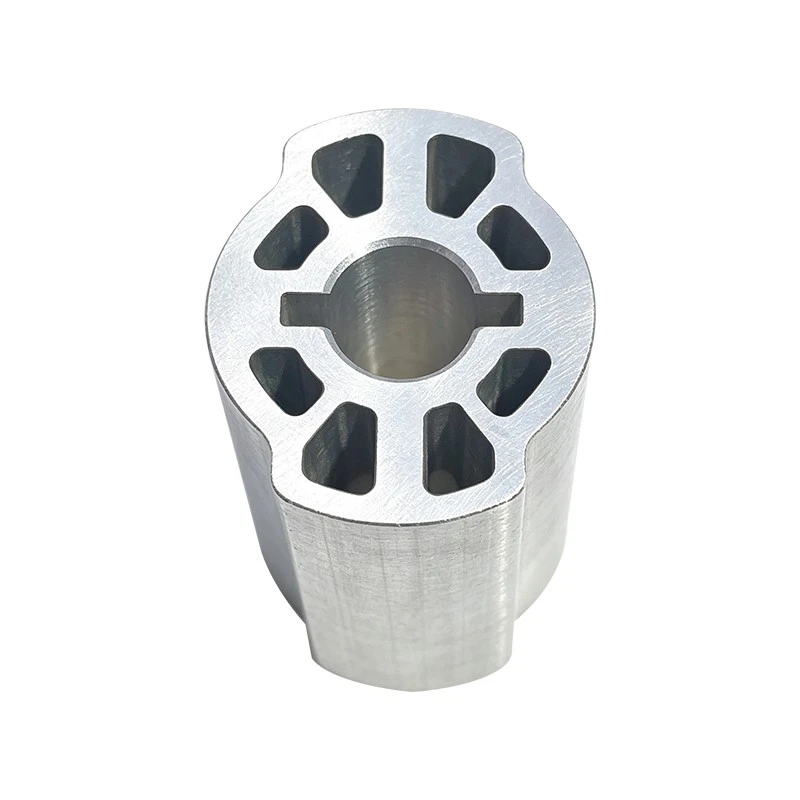
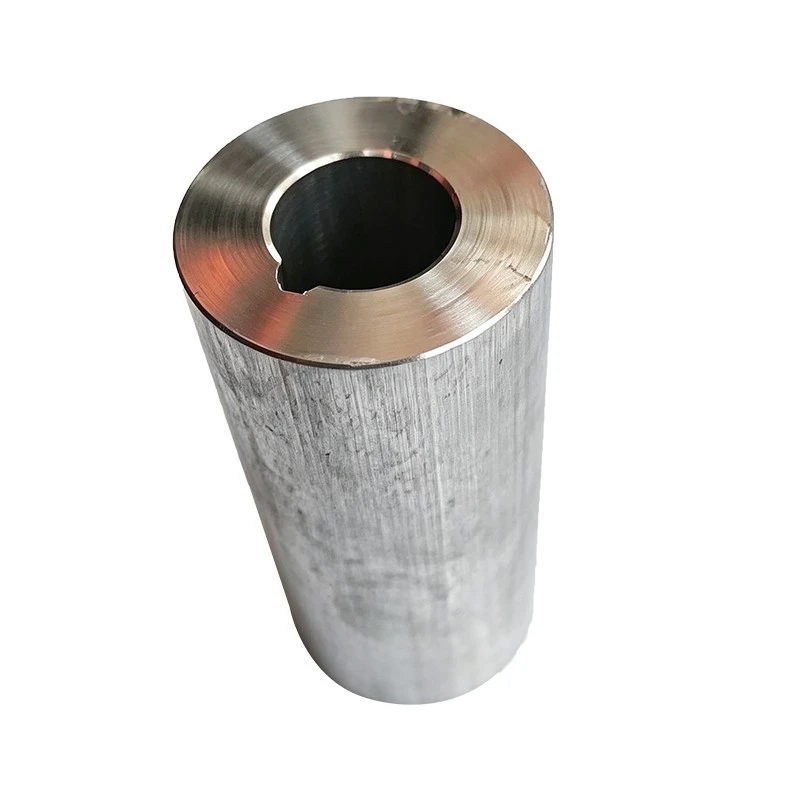
Let’s talk about common mistakes we see. One big one is using a standard circlip (snap ring) from a hardware store. Those are not made for Jeep shocks—they’re generic, and the tolerances are way off. Hardware store snap rings are designed for flat surfaces, not the precision grooves in a shock tube. We’ve had a customer who installed a hardware store snap ring, hit a big rock, and the snap ring shattered, sending the shock piston flying through the tube. That could’ve caused a crash if he was on the highway. So always use a snap ring specifically made for Jeep Wrangler shocks, not a random part.
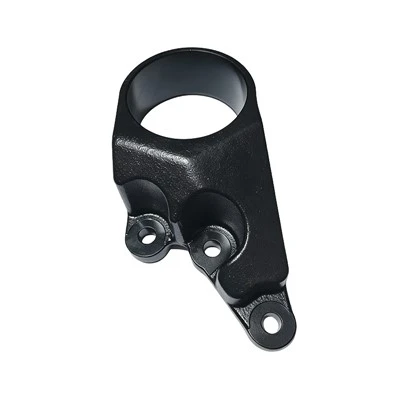
Another mistake is not checking the shock’s bolt pattern. The snap ring works with the Shock Absorber Bolt Kit to keep the shock mounted to the Jeep’s frame and axle. If the bolt kit is wrong, even a perfect snap ring won’t hold the shock securely. That’s why when you buy a shock upgrade from a reputable brand, they’ll include the correct snap ring and bolt kit—so you don’t have to guess. But if you’re buying parts separately, double-check that all the parts are compatible.
Here’s a quick guide for each Wrangler generation to make it easier, but remember: measure to confirm:
- YJ (1987-1995): Stock front/rear shocks = ~1.625” (front) / 1.75” (rear) external snap rings. Lifted YJs = 2.0” or larger, depending on shock size.
- TJ (1997-2006): Stock = 1.75” external. Lifted TJ = up to 2.5” for heavy off-road shocks.
- JK (2007-2018): Stock = 1.75”, aftermarket = 2.0” common (check shock specs).
- JL (2018-present): Stock = 1.75”, 4XE same as standard JL for most setups.
Now, if you’re in the middle of a project and you’re not sure, that’s fine—we’ve all been there. The best thing to do is pull the old snap ring (if you have it) and measure its diameter, or measure the groove in your shock tube. If you don’t have the old snap ring, take a picture of the shock’s groove and send it to our team—we can help you match the right size. We’ve been in this business for years, so we know every Wrangler shock size, and we can point you to the right part without you having to guess.
I always tell customers: don’t cut corners on the snap ring. It’s a tiny part, but it’s critical. You wouldn’t skip lug nuts on your wheels, right? Same thing here. A wrong snap ring can ruin your shock, your suspension, and even your whole ride. We’ve seen it way too many times, so we make sure every snap ring we supply is precision-made to fit exact Wrangler shock grooves, so you can install it and not have to worry about it.
If you’re working on a Wrangler suspension build and you need the correct snap ring for your shock, or you have questions about any of the related parts like the shock stopper, outer tube, bolt kit, or cartridge, our team is here to help. Reach out to us to get the right part for your project, no guesswork, no hassle.
References
- Jeep Wrangler Model Year Technical Specifications, Off-Road Suspension Association, 2023.
- Shock Absorber Snap Ring Sizing Guide, Automotive Parts Manufacturers Association, 2022.
- Heavy-Duty Snap Ring Performance Testing, Industrial Fasteners Institute, 2021.
- JK and JL Wrangler Shock Compatibility Guide, Jeep Enthusiast Magazine, 2024.