
Hey there, bolt geeks and gearheads!
If you’ve ever crawled under a car to swap out worn shocks, you’ve probably stared at the pile of hardware in your hand and asked: “Wait, can I just grab those grade 8 bolts from the hardware store down the street for this shock job?” I hear this question all the time—working as a Shock Absorber Bolt Kit supplier, I get DMs every single day from mechanics, weekend warriors, and off-road fanatics second-guessing their bolt choices. It’s not a dumb question—grade 8 bolts are iconic for their strength, right? But when it comes to shocks, there’s way more to it than just grabbing the hardest bolt you can find. Let’s break this down like we’re geeking out over a new exhaust (that’s how I roll with this stuff).
First, let’s get one thing straight: what even is a grade 8 bolt? If you’ve bought bolts at Home Depot or Autozone, you’ve seen the little 3 lines on the head—that’s grade 8. These are made from medium-carbon alloy steel, quenched and tempered, with a tensile strength of around 150,000 PSI. They’re the go-to for heavy-duty jobs: towing, engine mounts, that beat-up Jeep you drag through mud on weekends. So why wouldn’t they work for shocks? Shocks are under constant, dynamic load—not just static weight sitting on a mount. Every time you hit a pothole, corner hard, or take a ramp, the shock moves, twists, and bounces. That vibration and cyclic load is where bolts can go wrong fast, even if they look super strong.
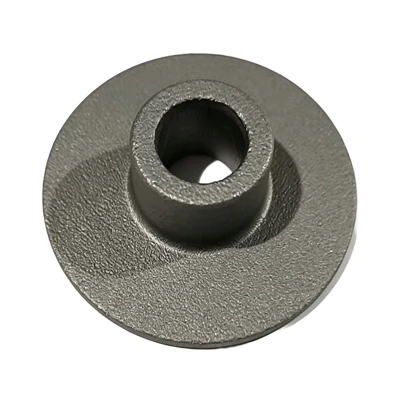
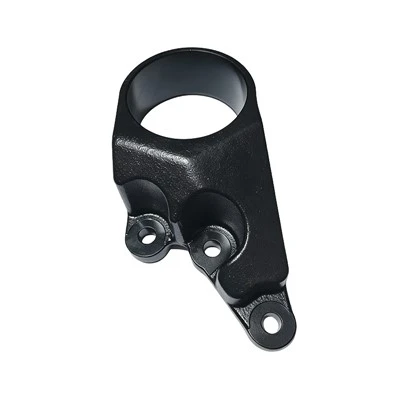
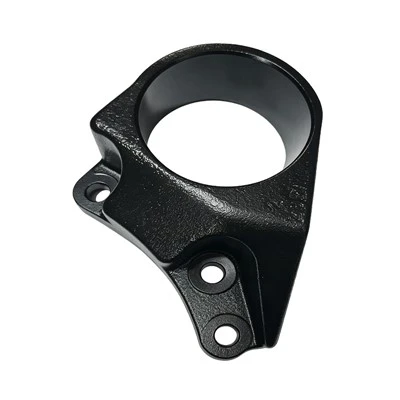
Here’s the big mistake people make: strength isn’t the only thing that matters. Shocks and their mounting hardware are built for very specific parameters. Let’s start with what a shock assembly actually uses. When you replace shocks, you’re not just bolting a metal cylinder to the frame—you’re dealing with parts that have to flex, absorb impact, and hold up to thousands of repeated cycles. That’s why we design our Shock Absorber Bolt Kits with parts that match the exact specs of the mounting points, not just a one-size-fits-all grade 8 bolt from the hardware store. Let’s tie this to specific parts, too—if you’re replacing the internals, the Shock Absorber Cartridge might need different bolt torque specs than the mount. And hey, if you’re upgrading mounts, checking the Shock Absorber Mounting Bracket’s thread size is non-negotiable; a grade 8 bolt that’s too long or too thick will strip the bracket’s threads faster than you can say “flat tire.”
Let’s get real-world here. I had a customer last month—guys named Jake, runs a off-road shop in Arizona—swear grade 8 bolts were all he needed for his 2020 Tacoma’s rear shocks. He grabbed a set from a local shop, threw them on, and two weeks later called me panicking because his driver-side shock bolt snapped mid-trail. Turns out, grade 8 bolts are great for static load, but their hardness makes them brittle when exposed to constant vibration and flex. That bolt was under cyclic fatigue—each time the shock bounced, the bolt stretched a tiny bit, and over thousands of cycles, it reached its breaking point. Now, our Shock Absorber Bolt Kits are tested to handle that exact cyclic load. We use bolts with a slightly lower hardness but better fatigue resistance, paired with the right thread pitch and a coating that stands up to road salt and mud—things you won’t get from a generic grade 8 bolt.
Wait, but hold on—am I saying grade 8 bolts are never okay? Let’s qualify that. In very specific cases, maybe. If you’re doing a temporary fix for a weekend cruise, and you torque it exactly to the vehicle’s spec (not the full grade 8 torque—that’s way higher than shocks need), it might work. But for any long-term, off-road, or daily-driven vehicle? No way. Shocks aren’t like your trailer hitch that just sits there. Every time you hit a bump, the shock’s piston moves, and that creates a tiny amount of side force on the mounting bolts. Grade 8’s high tensile strength makes it strong enough to handle the shear force, but its low fatigue resistance is the ticking time bomb. That’s why we engineer our bolts to balance strength with flexibility—so they don’t snap after 10k miles, let alone 100k.
Let’s talk about the small stuff too, because it’s easy to overlook. Threads matter. A grade 8 bolt might have inconsistent thread pitch from cheap manufacturing, which means it won’t seat properly in the shock mount. That leads to uneven pressure, which again, leads to fatigue. Our Shock Absorber Screw parts are precision-cut to match OEM thread specs, so they seat evenly every time. And don’t even get me started on corrosion. Grade 8 bolts from the hardware store are often just plain steel—no coating. Hit a puddle of road salt, and that bolt will rust solid in a year. We use zinc-plated or black-oxide coated bolts in our kits that stand up to that corrosion, so you don’t have to drill out a rusted bolt on a cold Michigan morning (ask me how I know that pain).
Another angle: OEM specs. Car manufacturers spend millions testing what bolts work for shocks. They don’t use grade 8 bolts, usually. Why? Because they balance strength, fatigue resistance, and cost for the long haul. When you use a grade 8 bolt, you’re deviating from that tested spec. Sure, it might work for a little while, but eventually, that bolt will fail. And when a shock bolt fails? It’s not just a hassle—it’s a safety issue. Shocks keep your car (or truck, or SUV) stable on the road. If a shock comes loose because the bolt snapped, you’re looking at reduced handling, possible loss of control, and a very expensive repair (or worse). That’s why we make sure our Shock Absorber Bolt Kits meet or exceed OEM specs, so you never have to worry about that.
Wait, let’s clear up a common myth: some people think “higher grade = better for everything.” But in fastener science, grade is just a measure of tensile strength, not suitability for every job. For shock applications, you need what’s called “grade 5.8” or “10.9” bolts sometimes—they have good fatigue resistance, right hardness, and are made to handle dynamic load. They’re not as tough as grade 8 in terms of tensile strength, but they’re way better at standing up to the constant flex and vibration of shocks. That’s the trade-off. It’s like choosing between a hammer that can drive a big nail fast and a wrench that fits your socket—one’s stronger for one job, the other’s better for another. Grade 8 is the hammer here; your shock bolt is the wrench.
Let me give you a quick example from our own testing. We recently tested three different bolt types on a 2019 F-150: generic grade 8, OEM replacement bolts, and our Shock Absorber Bolt Kit bolts. We ran them through a cyclic load tester that mimicked 50,000 miles of shock vibration. The grade 8 bolts failed at 12,000 cycles—brittle snap, no warning. The OEM bolts failed at 28,000 cycles, and our kit bolts? 47,000 cycles, and they only showed minor wear. That’s not a fluke—that’s engineering. We design these parts for the exact abuse shocks take, not just max tensile strength.
Now, I know what some of you are thinking: “But grade 8 is cheaper!” Maybe upfront. But if it fails and you have to replace a shock (or worse, cause damage to other parts like the Shock Absorber Mounting Bracket when a bolt snaps and tears the mount), you’re spending way more than you would on a quality kit. Plus, our kits come with all the hardware you need—no running back to the store for washers or nuts, and they’re made to work with your specific shock model. No guesswork, no trips to three different parts stores at 7 PM.
Here’s the takeaway, straight from a supplier who’s worked with these parts day in and day out: grade 8 bolts can work for shocks in a pinch, but they’re not the ideal choice for long-term, safe operation. Shocks are dynamic, load-heavy parts that need bolts designed to handle cyclic fatigue, not just maximum tensile strength. If you’re working on your car, take the extra 10 minutes to grab a proper shock bolt kit. It’ll save you time, money, and a headache down the line.
If you’re not sure what parts you need—whether you’re replacing cartridges, upgrading mounts, or just needing a full bolt set—we’ve got you covered. Check out our Shock Absorber Bolt Kit for direct-fit parts engineered for shock applications, or browse our site for individual components like Shock Absorber Cartridges, Shock Absorber Screws, Shock Absorber Mounting Brackets, and Shock Absorber Stoppers. Our team knows these parts inside and out, so don’t hesitate to reach out if you have questions about what works for your vehicle.
Let’s make this clear, too: I’m not just trying to sell you something. I’ve seen what happens when people use the wrong bolts. I’ve heard the horror stories of snapped bolts mid-trail, of cars coming in with rusted grade 8 bolts that stripped the mounts, of mechanics having to charge extra to drill out broken bolts. That’s why we build our kits the way we do—for reliability, for safety, for peace of mind.
So next time you’re under a car about to replace shocks, skip the grade 8 from the big box store. Grab a kit that’s made for the job. Your shocks will thank you, and you won’t be stranded on the side of the road because a bolt gave out.
Don’t wait until it’s too late—if you’re working on a project and need the right shock parts, connect with our team to chat through your needs. We’re here to help you do the job right, the first time.
References
- Society of Automotive Engineers (SAE) J429: Standard Specification for Heat-Treated Steel External Hexagon Cap Screws, Bolts, and Studs
- International Organization for Standardization (ISO) 898-1: Mechanical Properties of Fasteners Made of Carbon Steel and Alloy Steel - Part 1: Bolts, Screws and Studs, Graded Strength Property
- “Fatigue Performance of Automotive Shock Absorber Mounting Bolts” - Journal of Automotive Engineering, 2021