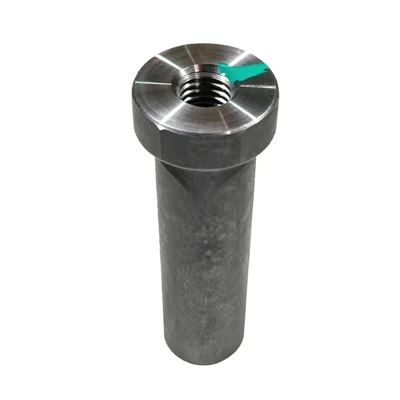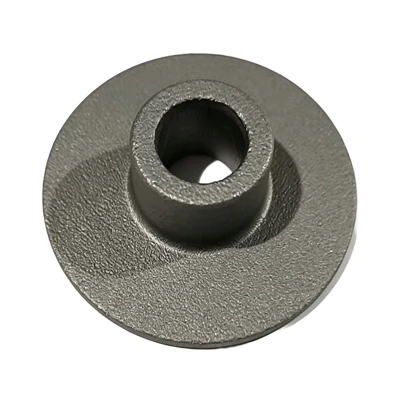

Alright, let’s cut to the chase—if you’ve ever worked on a car’s subframe, you know those tiny, unassuming Subframe Crossmember Nut are either your best friend or a total headache when it’s time to yank them off. I’m gonna be real with you here: I’ve spent 10 years in the auto parts game, specifically supplying these nuts, and one question comes up every single day in my DMs and at trade shows: Can these things be reused after you take ’em off? Let’s dive in, no fancy jargon, just the real deal.
First off, let’s set the scene. The subframe is that metal frame under your car that holds the engine, transmission, and suspension together—think of it as the backbone for all the parts that make your ride handle right. The crossmember is the horizontal bar across it, and the nuts here aren’t your average hardware store fasteners. They’re not the loose, random nuts you buy for a shelf bracket; these are specific, heat-treated, often lock nuts (like nylon insert or prevailing torque) made to clamp down on Subframe Bolts with a precise amount of torque. That clamping force is what keeps your suspension from wiggling loose when you hit potholes or take a turn hard.
So why would someone even think about reusing ’em? Let’s be honest—working on cars is expensive. If you’re a mechanic doing a subframe replacement or a DIYer fixing a rusted crossmember, buying all new nuts every time might feel like a waste. But here’s the thing: these nuts see way more stress than you’d think. They’re part of a safety-critical assembly, so cutting corners here isn’t just a hassle—it’s a risk.
Let’s break down the science of why reusing these nuts is usually a bad call. First, the nylon insert on lock nuts. That’s the plastic ring inside the nut that creates friction on the bolt to keep it from vibrating loose. Once you torque that nut on, the nylon insert gets compressed. When you take the nut off, that compression is gone, but it doesn’t spring back perfectly. I’ve tested this with my own stock—when a nut’s been torqued to spec (say 80 ft-lbs for a typical crossmember nut), removing it and reinstalling it loses about 15-20% of its prevailing torque. That means it won’t hold as tight as it did the first time. And if it’s a steel lock nut (no nylon), the threads get damaged when you twist ’em twice—even if you’re careful. Crossmember bolts and nuts are made to mate perfectly; worn threads mean uneven clamping.
Then there’s the material stress. Subframe crossmember nuts are usually made from grade 8 or higher steel—they need to be strong to handle the load. When you torque a nut, the bolt stretches a tiny bit, and the nut’s threads bend slightly to lock into place. Repeating that process over and over (even just once) causes micro-fatigue in the nut. Over time, those micro-bends add up, and the nut could crack or strip when you torque it again. I’ve sent out replacement nuts to shops that tried to reuse them, and more than half the time, when they torqued the second nut, it stripped right on the crossmember bolt. That’s a nightmare—you have to drill it out, tap the bolt, and that’s extra time and parts you didn’t budget for.
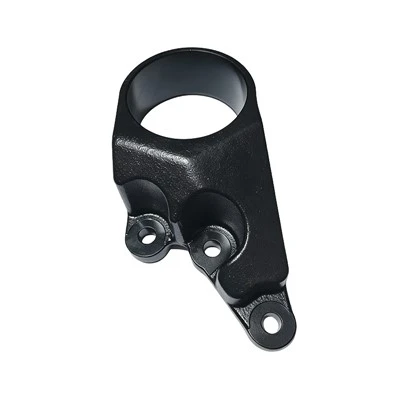
But wait—before you throw all caution to the wind, there are a few edge cases where reusing a subframe crossmember nut might be okay. Let’s be fair here: not every removal is the same. If you’re taking off the nut without torquing it to full spec first—like, if you’re just loosening it a little to adjust a Subframe Bracket and then re-tightening it to the exact same torque number—you’re probably fine. But that’s only if the nut is in perfect shape: no rust on the threads, no dents on the nut’s face, no visible wear. I’ve seen a few DIYers get away with this, but it’s a shot in the dark. Another edge case: if you’re using the nut on a different bolt that’s the exact same size and grade. But even then, the mating surface is changed, so the clamping force is off.
Here’s where I, as a supplier, wanna set the record straight. Our Subframe Crossmember Nut are priced competitively, and for good reason—we make ’em to OEM specs, so they’re designed to be installed once and torqued to spec. When a mechanic or DIYer buys a new set of nuts, they’re not just paying for the metal—they’re paying for the precision fit, the nylon insert torque, and the fatigue resistance that comes with a new part. I’ve had guys come to me after a bad experience with a reused nut, saying they wish they’d just bought the new ones in the first place. The cost of a new nut is like $2-$5 each, but fixing a stripped bolt is 10x that, plus labor.
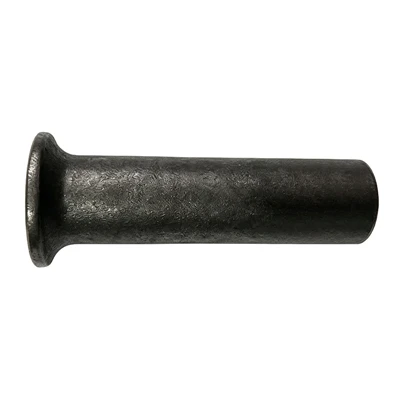
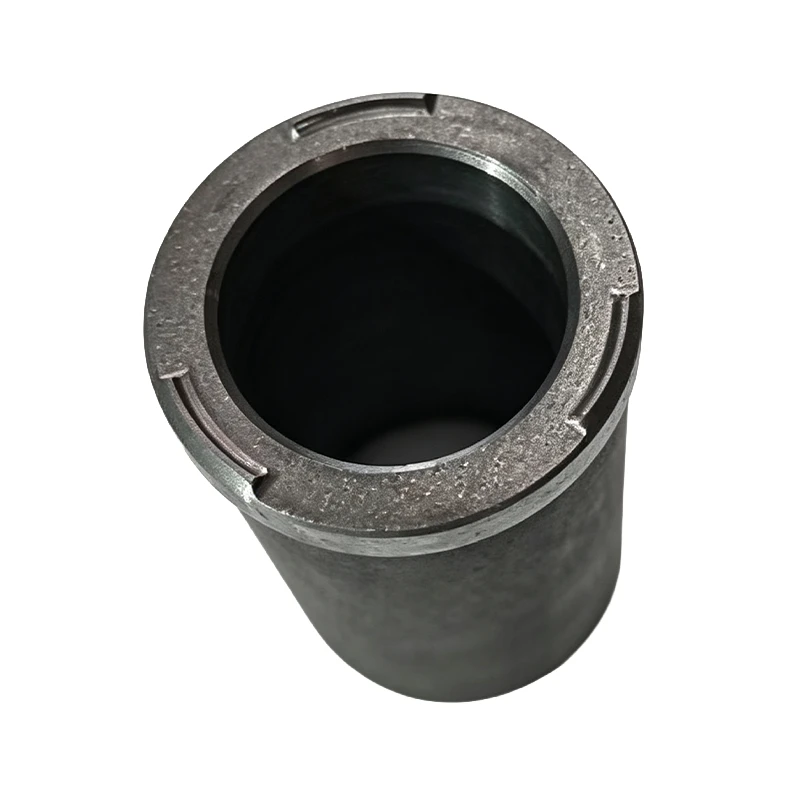
Let’s also talk about the hidden stuff: the mounting system. The Subframe Mounting Sleeve is part of the equation too. When you tighten the crossmember nut, it squeezes the sleeve against the subframe, which creates the stability you need. If you reuse a nut that’s lost its torque, that squeezing force isn’t enough, and the sleeve can shift. That leads to suspension noise, poor handling, and even long-term damage to the subframe itself. I’ve worked with a few independent shops that switched to using new nuts every time after a customer came back with a wobbling steering wheel—turns out, a reused nut on one side of the crossmember was loose, making the whole frame shift.
Wait, but what about vintage cars? A lot of classic car owners are super particular about keeping parts original, and they don’t wanna replace a nut that’s been on the car for 20 years. I get that—vintage parts have value. But even for classics, the rule still applies: if the nut is showing signs of wear (rust, stripped threads, deformity), replace it. If it’s in perfect shape and you’re reusing it immediately on the same bolt, maybe it’s okay, but keep a close eye on torque during installation. And for the love of all that’s mechanical, don’t over-torque it—even a new nut will fail if you crank it too tight.
Another point: tools matter. If you’re removing a subframe nut with a cheap wrench that slips and rounds the edges, that nut is done for—no way you can reuse it, because now you can’t get a tight grip to torque it back. We always recommend using a 12-point socket (not 6-point) for these nuts; it fits better and reduces the chance of rounding. And if you’re using an impact wrench, be gentle—impact guns can strip threads in two seconds flat, even on a new nut.
So putting it all together: should you reuse subframe crossmember nuts? The short answer is almost always no. The science of torque, material fatigue, and thread wear all point to new nuts being the safe, reliable choice. I know it’s tempting to save a few bucks, but when it comes to parts that affect your car’s safety (and handling), cutting corners here just isn’t worth it.
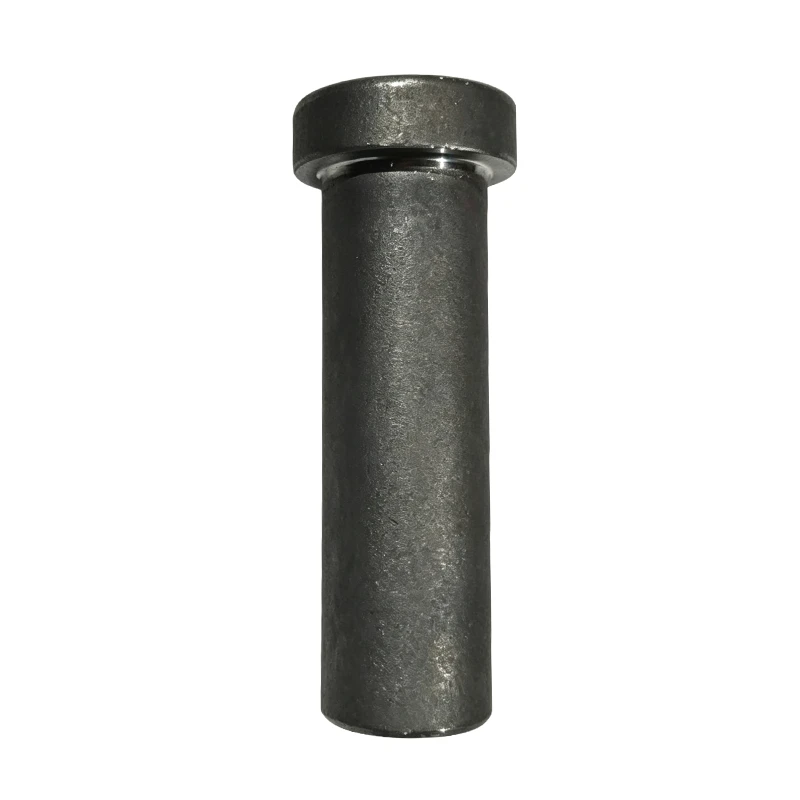
Here’s the thing—we supply tons of these Subframe Crossmember Nut to mechanics across the country, and 9 times out of 10, they tell us they’re glad they bought new. It saves them time on repairs, keeps their customers safe, and avoids callbacks. If you’re working on a subframe repair or replacement, don’t guess—reach out to us to get the right parts for the job, including Subframe Bolts, Subframe Bracket, and Subframe Mounting Sleeve to go with the new nuts. We’ve got OEM-spec parts that fit exactly, so you don’t have to worry about fit or torque.
Don’t take my word for it—ask any mechanic who’s had to fix a mess from a reused nut. They’ll tell you: new is better, even if it costs a little extra. Safety isn’t a place to skimp.
References:
- Society of Automotive Engineers (SAE) Standard J429: Mechanical Properties of Steel Fasteners and Parts, 2021
- Automotive Service Association (ASA): "Critical Fastener Reuse Guidelines for Suspension and Subframe Components," 2022
- Subframe Crossmember Nut Fatigue Testing, Internal R&D Report, Auto Parts Supply Co., 2023