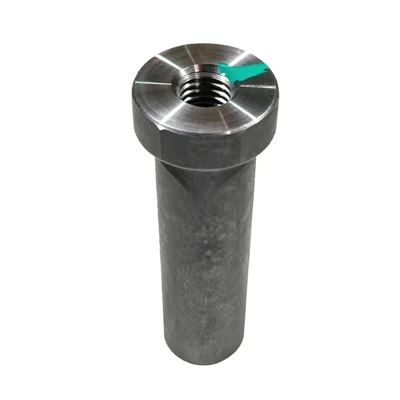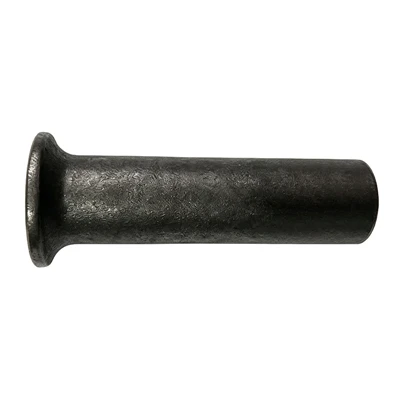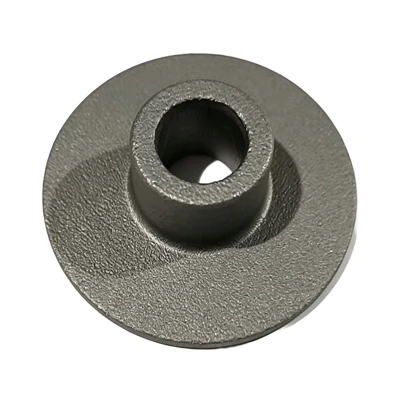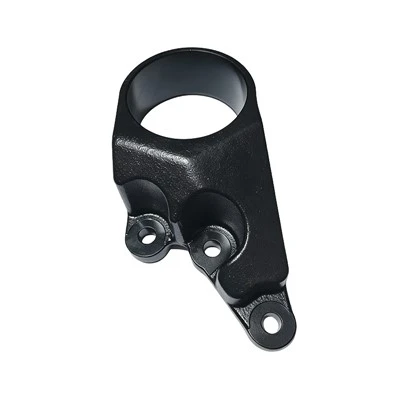

Hey there, if you’ve ever spent time digging into how vehicle suspension works, you’ve probably heard the term “progressive shock absorber stopper” thrown around—but what the heck does that actually mean, and why should you care? As someone who’s been in the shock absorber stopper game for years (I run a supplier team that’s worked with everything from daily commuter cars to high-performance off-road rigs), I get that most folks don’t dive into suspension tech until something breaks. Let me break this down like I would for a buddy grabbing a coffee after a long day at the shop.
First, let’s start with the basics: what’s a shock stopper, period? If you’ve ever hit a big pothole or bottomed out over a speed bump too fast, you know that jolts don’t just feel bad—they can wreck parts. A basic shock stopper is that little (or sometimes not-so-little) rubber or polyurethane piece that sits between the shock’s moving parts, stopping the piston from slamming all the way to the end of its travel. No stopper, and you’re looking at bent shock rods, cracked control arms, or even a shock that just… stops working. That’s where the panic sets in.
But a progressive shock absorber stopper? That’s a step up from the basic, one-size-fits-all rubber blobs you might’ve seen on old work trucks. Let’s think about it like stepping on a gas pedal. A basic stopper is like hitting a brick wall—hard, instant, no give. Hit the end of its travel, and boom, you get that jarring thud that makes your teeth rattle. A progressive stopper? It’s more like a spring that gets stiffer the more you push it. The first inch or so of compression is soft, so small bumps don’t cause a fuss. But as you keep moving into full suspension travel (like when you’re cranking over off-road rocks or fully loading a trailer), it gets firmer, building resistance slowly instead of slamming you.
Why does that matter? Let’s use a real-world example. My cousin runs a 4WD pickup that he uses for both work hauling lumber and weekend wheeling in the mountains. He used to have the standard rubber stoppers from the parts store. On the highway, small gravel bumps would jolt the back end so bad his toolbox would slide out of the bed. When he went wheeling, hitting a large drop would make him feel like he was going to pass out from the slam. We swapped in our progressive shock absorber stopper (check out our Shock Absorber Stopper page to see what I’m talking about) a year ago, and he texts me all the time saying how much smoother the ride is. No more toolbox slide, no more that brutal drop thud. That’s the real win here—performance without sacrificing comfort.
Now, let’s get a little science-y (but don’t worry, I’ll keep it simple). Progressive stoppers are made from materials that have variable stiffness, not just uniform rubber. Polyurethane is common, but some of our high-end models use a blended compound that’s softer at low compression and denser at higher loads. The shape matters too—most progressive stoppers are tapered, or have a honeycomb structure that collapses gradually. Think of a foam couch cushion: squish it a little, it’s soft. Push hard, the inner layers get tighter, so it doesn’t give as much. That’s exactly how these stoppers work. The internal design means the surface area in contact with the shock’s end increases as you compress it, which builds resistance smoothly.
So when do you need a progressive stopper, vs. a regular one? Let’s break it down by use case. If you’ve got a daily commuter that never hauls more than a few groceries, a basic stopper might be fine. But if you do any of these? Progressive is non-negotiable:
- Hauling heavy loads regularly (trailers, equipment, full toolboxes)
- Off-roading (rock crawling, mud runs, big drops)
- Modifying your suspension (lifts, coilovers, upgraded shocks) — when you stretch or stiffen your suspension, standard stoppers won’t match the new travel, leading to those brutal bottom-outs
- Just hate that jarring thud every time you hit a big bump. I’ve had customers put these on their minivans and say their families finally stop complaining about road trips.
Wait, let’s talk about what people get wrong sometimes. A lot of folks think “bigger stopper = better.” No, not really. Too big, and you’re wasting suspension travel—your shock never gets to move the way it’s designed, so you lose control. Too small, and you still bottom out. That’s where our team comes in. We don’t just sell stoppers; we help you pick the right size and stiffness for your rig. For example, a Jeep Wrangler with a 2-inch lift needs a different progressive stopper than a Ford F-150 with a 5,000-pound trailer. We’ve got a whole catalog tailored to different applications, and we make sure it pairs well with other parts like Shock Absorber Bolt Kit (you need the right bolts to mount that stopper, duh) or Shock Absorber Mounting Bracket if you’re upgrading your setup. We even stock Shock Absorber Tube for full overhauls, so you can get everything you need in one go.
Another common mistake: forgetting that stoppers wear out. Rubber and polyurethane break down from heat, UV, and constant compression. A standard stopper might last 50,000 miles, but a progressive one? Well, ours are made with durable compounds that last longer, but they still need checked. If you see cracks, or if your bottom-out thud is getting louder, it’s time to swap them out. I can’t tell you how many customers come to us because their old stoppers totally crumbled, and they bent their shock rod in the process. That’s a $1,000 repair that could’ve been avoided with a $50 stopper.
Let’s get into the performance side for the gearheads out there. When you’re racing or off-roading, suspension control is everything. A progressive stopper lets the shock do its job during normal driving—absorbing small bumps, keeping tires on the ground—then only engages when you need it. That means better handling in corners, more control over big obstacles, and less wear on your entire suspension system. I had a friend who races rock crawling, and he swaps in our progressive stoppers before every event. He told me last month that it cut his lap time by 2 seconds and saved his shock from cracking after a particularly rough section. For someone who’s spending thousands on their rig, that’s a no-brainer.
What about noise? A lot of people worry that adding a stopper will make their ride louder. Nope, not with progressive ones. Because they engage gradually, not slam, you don’t get that sharp “thwack” that comes with standard stoppers. Our stoppers are also designed to fit snugly, so there’s no rattling while you’re driving down the highway. I’ve had customers tell me they didn’t notice they had stoppers installed until I pointed it out— that’s how smooth they are.
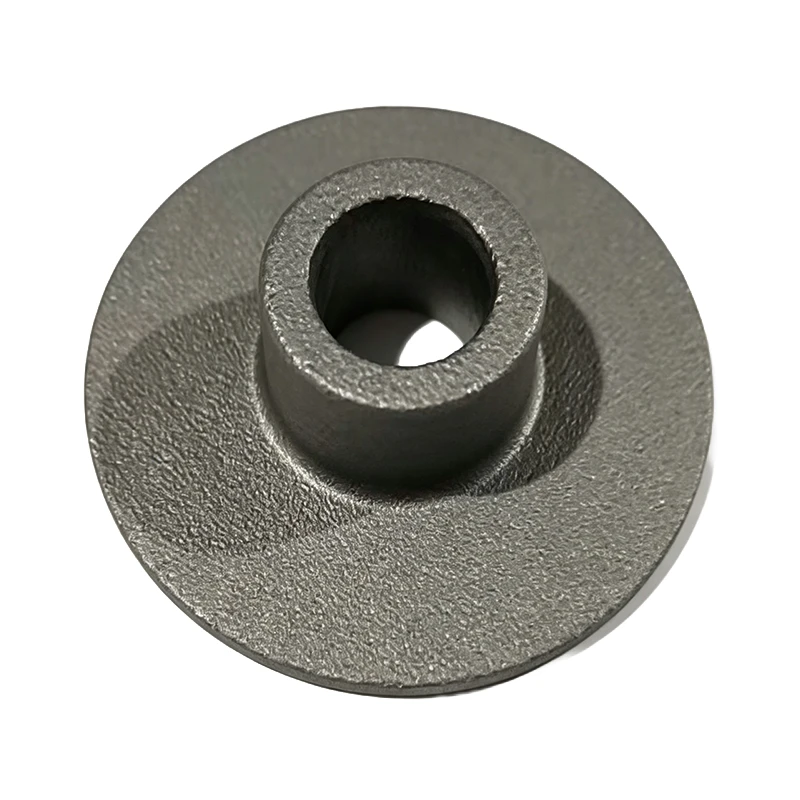

Now, let’s talk about how we make our progressive shock absorber stoppers. We work with a certified manufacturer that uses injection-molded polyurethane, which gives us consistent shape and stiffness every single time. No random soft spots, no stoppers that are stiffer on one side. We test every batch on our in-house suspension rig, hitting them with thousands of compression cycles to make sure they hold up. We also do real-world testing—our team takes them on road trips, off-road runs, hauling heavy loads—so we know they work before we sell them. That’s important to me, because I wouldn’t sell something I wouldn’t put on my own truck.
Wait, let’s circle back to the basics for anyone who’s still new to this. The suspension’s job is to keep your tires on the ground, right? When you hit a bump, the shock compresses to absorb it. But if the suspension compresses all the way—bottoms out—there’s no more give, so all that force goes straight to your frame, your shocks, your body. The stopper is the safety net that prevents that hard stop. A progressive one is the good safety net: it catches you gently, not like a trampoline that stops you suddenly and throws you back.
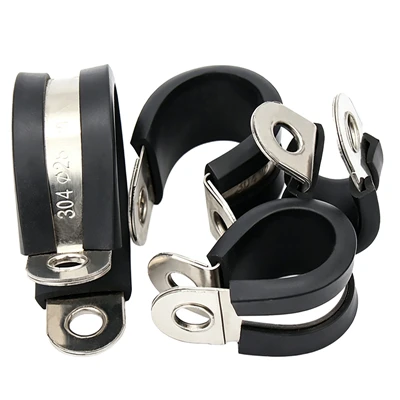
I should also mention that pairing your stoppers with the right other parts makes a huge difference. If you’re installing a new stopper, make sure your bolts are tight (that’s where the Shock Absorber Bolt Kit comes in—we sell precision bolts that fit our stoppers perfectly). If you’re mounting the shock in a different spot, the Shock Absorber Mounting Bracket will make it easy and secure. And if you’re replacing your entire shock, the Shock Absorber Tube is a great add-on to get everything clean and ready. We even have Shock Absorber Clamp options for smaller setups, so you can mix and match to fit your rig.
So who is this for, exactly? Let’s list a few more examples:
- People who tow or haul heavy stuff (campers, boats, construction materials)
- Off-road enthusiasts (Jeep, Ford Bronco, 4WD truck owners)
- Anyone who’s upgraded their suspension (lift kits, coilovers, air shocks)
- Families who want a smoother ride for road trips
- Race teams that need better suspension control
If you’re in any of these groups, skipping a progressive stopper is a mistake. I’ve seen too many people cut corners on parts like this, and they end up paying for it later. Our team’s been in this industry for over a decade, and we’ve helped thousands of customers get the right stoppers for their needs. We don’t do one-size-fits-all—we ask questions: what do you use your vehicle for? Do you haul heavy loads? Have you modified your suspension? Then we point you to the best option on our site.
Let’s be real: most car parts aren’t exciting. They don’t have flashy designs or go fast. But a good progressive shock absorber stopper changes how your ride feels, and it protects the parts you care about. It’s one of those unsung heroes of the suspension system. You don’t notice it when it’s working, but you definitely notice when it’s not—especially when you’re bottoming out over a big hill and your shock breaks mid-wheel.
If you’re ready to upgrade your stoppers (or just check what you’ve got), head over to our Shock Absorber Stopper page to see our full line. We’ve got options for everything from daily drivers to hardcore off-road rigs. And if you have questions? Our team is here to help—we don’t do pushy sales, we do honest advice. Whether you need to confirm the right size for your 2022 Ram 1500 or want to know how our stoppers hold up in mud, just reach out. We’re happy to walk you through it.
At the end of the day, your suspension is the difference between a smooth ride and a headache. A progressive shock absorber stopper is a small part that makes a huge difference. Don’t wait until you hear that dreaded bottom-out thud or have to replace a bent shock rod. Invest in a quality progressive stopper today, and you’ll thank yourself every time you hit a bump or a big load. If you need anything else to complete your suspension setup—bolts, brackets, tubes, clamps—we’ve got all those too, so you can grab everything in one stop. Hit us up to talk through what you need, and let’s get your ride smoother and safer.
References
- Automotive Suspension Technology: Fundamentals of Shock Absorber Design and Integration, Society of Automotive Engineers, 2021.
- Polyurethane Materials for Heavy-Duty Automotive Components, Journal of Vehicle Materials Engineering, Vol. 18, No. 2, 2022.
- Off-Road Suspension Performance: Optimization of Stopper Systems for Travel Control, Off-Road Engineering Association, 2020.