
Let’s cut to the chase: if you’ve ever pushed a vehicle hard over a washboard dirt road, taken a speed bump at 35 mph, or noticed how your truck’s suspension stops thudding long after the big impacts pass, you’ve interacted with a telescopic shock absorber stopper—even if you didn’t know its name. As a shock absorber stopper supplier, I field this question every week from mechanics, weekend racers, and fleet maintenance managers, and most are shocked (pun very intended) by how this small, unassuming part holds their entire suspension system together. Let’s break down what it is, how it works, and why it’s not a “one-size-fits-all” afterthought.
First, let’s get the basics straight. A telescopic shock absorber is that metal cylindrical component behind your vehicle’s wheels, right? It controls how fast the suspension compresses and rebounds when you hit a bump, so you don’t bounce like a pogo stick every time you roll over a curb. But even the best shock can’t stop compressing forever. If you drive hard enough, the suspension will bottom out—meaning the metal parts of the shock, control arm, and chassis hit each other directly. That’s where the telescopic shock absorber stopper comes in. At its core, it’s a precision-engineered rubber (or sometimes polyurethane, for high-performance use) component designed to absorb the last inch or so of suspension travel before bottoming out. It’s not just a cushion; it’s a calibrated safety device.
Wait, let’s get more specific about the “telescopic” part, because that’s where the stopper’s design gets clever. Telescopic shocks have two main parts: the outer tube and the inner rod, which slides in and out like a telescope. The stopper is almost always mounted on the end of the inner rod or the inner wall of the outer tube, positioned so that when the suspension reaches maximum compression, the stopper makes contact before the metal parts of the two tubes collide. Unlike a generic rubber pad, a telescopic shock stopper is shaped to compress gradually, not all at once. That gradual compression is key—if it bottomed out instantly, you’d still get that jarring metal-on-metal thud, plus extra stress on the shock’s seals, which can lead to leaks or early failure.
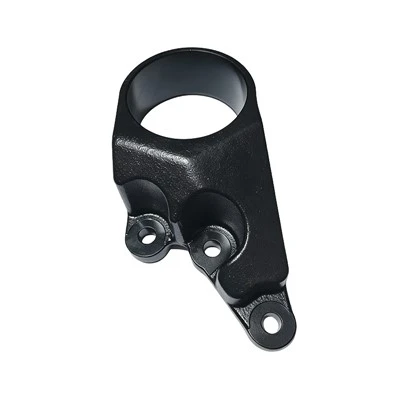
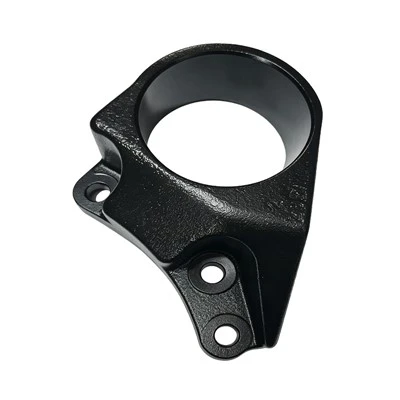
Let’s compare it to similar parts to avoid confusion, because terms get tossed around in the auto world a lot. You might hear people call this an absorber bump stopper, and for good reason—it’s the same core function, just a different name depending on the manufacturer. But it’s not the same as a shock absorber mounting bracket, which is the metal part that bolts the shock to your chassis and control arm. Or a shock absorber bolt kit, which is the hardware you need to install that bracket and secure the shock in place. Even the shock absorber tube itself is part of the main assembly, not the stopper. All these parts work together, but the stopper is the unsung hero of the compression cycle.
Now, let’s dive into the science of how it works. When your suspension is at rest, the telescopic shock’s inner rod is fully extended, and the stopper is sitting 1 to 2 millimeters away from the outer tube (that gap is called “static clearance,” and it’s critical). When you hit a bump, the rod slides into the outer tube, compressing the suspension and the shock. Most of the force is absorbed by the shock’s internal hydraulic fluid and valving. But when the suspension has about half an inch of travel left before bottoming out, the stopper makes contact. At this point, it’s not just soft rubber giving way—polyurethane stoppers, common in off-road and performance vehicles, have a Shore A hardness rating (usually between 50 and 80) that’s chosen to match the shock’s damping rate. So if you’re driving a stock sedan with a soft shock, you’ll have a softer rubber stopper. If you’re racing a trophy truck that hits 5-foot jumps, you’ll have a firm polyurethane stopper that can handle thousands of pounds of force without deforming permanently.
That deformation is another key point. A good telescopic shock absorber stopper is designed to be “self-healing” within its load range. If it compresses to 50% of its height under normal driving, it will bounce back to its original shape when the suspension rebounds. But if you bottom out really hard—like landing a jump wrong—there’s a small “crush zone” built into the stopper. This is intentional. The crush zone is the part that deforms permanently if you exceed the design load, which means it absorbs the rest of the impact so the shock’s inner rod doesn’t punch through the outer tube, which would ruin the entire shock, and possibly your chassis too.
Here’s where experience as a supplier has taught me most people get this wrong: choosing the wrong stopper for your application. A lot of truck owners, for example, will swap in long-travel shocks for off-roading but skip upgrading the telescopic shock absorber stopper. The stock stopper was made for the original shorter suspension travel, so when you extend the travel, the stopper is too short, or positioned wrong, leading to early bottoming, seal damage, or even frame damage. I’ve worked with a few clients who tried to save money by using a generic rubber stopper from a auto parts store, only to have it blow out after a few weekend off-road trips. Generic stoppers don’t match the shock’s compression rate, so they either bottom out too hard or don’t engage at all.
Let’s talk about wear and maintenance, because this part is often overlooked. The telescopic shock absorber stopper is a wear item, just like brake pads or tires. Every time you hit a hard bump, it compresses a little. Over time, the rubber breaks down from heat, ozone, and repeated compression, developing cracks or shrinking. If you let it go too long, the gap between the stopper and the tube wall widens, and when you hit a big bump, the suspension will bottom out without the stopper cushion. You’ll hear that loud metal thud, and over time, that can warp the control arms, crack the chassis, or blow out your shock’s hydraulic seals. I recommend checking your stopper every 10,000 miles, or after any hard off-road use or big impact like hitting a pothole at high speed.
Wait, let’s clarify with real-world examples to make this concrete. Last year, I worked with a local delivery fleet that was replacing shocks every 18 months because of frequent bottom outs on their route over rough back roads. We discovered their stock telescopic shock stopper was under-sized for the heavy cargo they were carrying. The original design only accounted for 1,500 pounds of payload, but their trucks were hauling 2,500 pounds regularly, so the stopper was compressing fully every trip. We upgraded them to heavy-duty telescopic shock absorbers with custom stopper thickness, and their shock life jumped to 36 months—cutting their maintenance costs in half. That’s the kind of difference a well-matched stopper can make.
Another example: road racing. A lot of amateur racers focus entirely on shock damping and spring rates, but the stopper is what lets them push the limits without damaging their car. When a race car corners hard, the suspension compresses on the outside wheels, and if the car hits a kerb at speed, the suspension will reach full compression. The telescopic shock absorber stopper here is calibrated to engage exactly at the limit of the spring’s travel, so the driver gets a little warning (via the steering wheel and chassis feedback) that they’re at max travel, without the jarring bottom out. A teammate of mine who races in the local autocross series swears by upgrading his stopper every season, because the stock one would wear down after a year of hard cornering, leading to unpredictable handling when he’s pushing through a chicane.
Now, let’s address a common myth: some people think the shock absorber stopper is a replacement for a good shock. That’s not true. If your shock is leaking or worn out, no stopper will fix the bottoming issue. The stopper works with the shock and the spring to control suspension travel. Think of it like a seatbelt: it doesn’t make the car safer on its own, but it’s a critical safety component that works with the airbag and crumple zones.
As a supplier, I always tell customers that the telescopic shock absorber stopper isn’t a part to buy on price alone. You need to match it to your shock, your vehicle’s weight, your driving style, and your intended use. That’s why we don’t sell a one-size-fits-all stopper—we have options for passenger cars, light trucks, heavy-duty fleets, off-road vehicles, and race cars. Our stock and custom telescopic shock absorber stoppers are made from high-grade polyurethane and rubber compounds that resist heat, ozone, and repeated compression, so they last longer than generic alternatives.

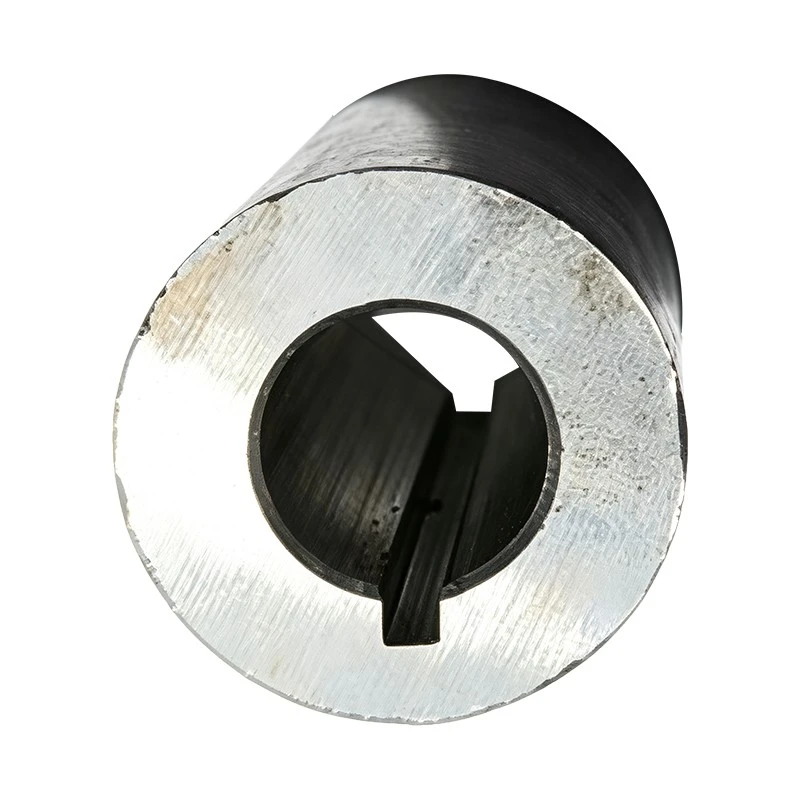
Wait, let’s circle back to the basic definition to make sure we’ve covered it. A telescopic shock absorber stopper is a calibrated, wear-resistant component installed on telescopic shock absorbers that cushions the final stage of suspension compression before bottoming out, prevents metal-on-metal contact, and reduces stress on surrounding suspension parts. It’s not just a rubber pad—it’s a precision part that’s engineered to work with the rest of your suspension system.
Now, if you’re thinking “do I need to replace my telescopic shock absorber stopper?” the signs are pretty obvious: that loud metal thud when you hit a big bump, uneven tire wear, leaking shock seals, or a suspension that feels “springy” instead of controlled. If you’re upgrading your shocks or suspension travel, you definitely need to upgrade your stopper too, because the stock one won’t match the new components.
I’ve seen too many people dismiss this small part, only to end up with costly repairs down the line. At the end of the day, the telescopic shock absorber stopper is one of those parts that works in the background until you need it—and when you do, you’re glad it’s there. Whether you’re a weekend driver, a fleet manager, or a racer, taking the time to choose the right stopper will save you money, improve your vehicle’s handling, and keep you safe on the road or trail.
If you’re looking to upgrade your telescopic shock absorber stopper, or if you have questions about matching the right stopper to your vehicle, don’t hesitate to reach out. We offer a range of high-quality shock absorber parts, from custom telescopic shock absorber stoppers to mounting brackets, bolt kits, and shock tubes, all designed to work together to keep your suspension running smoothly. Contact us today to discuss your needs and get the right parts for your application.
References
- Milliken, W. F., & Milliken, D. L. (1995). Race Car Vehicle Dynamics. SAE International.
- Jazar, R. N. (2017). Vehicle Dynamics: Theory and Application (3rd ed.). Springer.
- Automotive Parts Manufacturers Association. (2022). Passenger Vehicle Suspension Component Wear and Maintenance Guidelines.
- Off-Road Motorsports Association. (2021). Suspension Design for High-Travel Off-Road Vehicles.