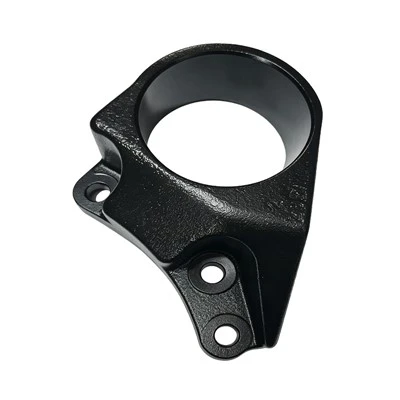

Hey there, it’s Jake from [Your Company Name] – been working with shock absorber parts for 8 years now, so I get all the random questions that pop up when folks get under their ride doing repairs. Lately, one’s been getting asked nonstop: “Do I need an alignment after replacing a shock absorber stopper?”
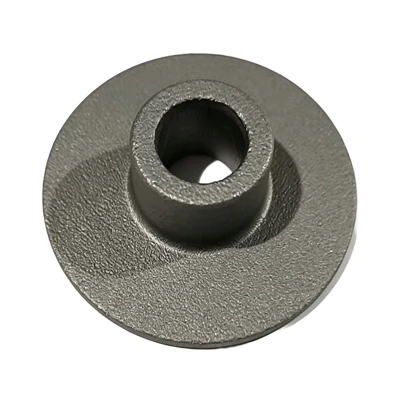
First off, let’s make sure we’re on the same page about what a shock absorber stopper even is. If you’ve never seen one, it’s that little rubber (or sometimes polyurethane) bump stop mounted right at the top of your shock, where it meets the frame or control arm. Its whole job is simple: when your suspension compresses all the way, it keeps the metal shock shaft from slamming into the outer housing – that’s how you avoid damaging the shock’s internals, like the Shock Absorber Cartridge or the Shock Absorber Screw that holds it together. No bump stopper? One pothole could turn your shock into a paperweight fast.
Now, I know when most people reach out to us for a replacement Absorber Bump Stopper, they’re either dealing with a collapsed old stopper that’s not doing its job or they just did a full suspension refresh. The big debate is always whether this tiny part affects your alignment enough that you need to drag your ride to a shop after swapping it out. Let’s break this down real, no-jargon style.
First, let’s talk about how alignments work, because that’s the root of the question. An alignment adjusts the angles of your wheels so they match the manufacturer’s specs for camber, caster, and toe. Camber is how tilted your wheel is side to side, caster is the tilt forward/back of the steering axis, and toe is how parallel your wheels are to each other. If any of those are off, you get uneven tire wear, vague steering, or even handling issues at speed.
Here’s the key point: a shock absorber stopper itself is not part of the alignment adjustment process. Alignments use parts like tie rods, control arms, sometimes strut mounts – not the little rubber bump stop that only touches when your suspension is fully compressed. But wait, hold up – that’s not the whole story, because sometimes replacing the stopper means you’re messing with other parts that do affect alignment. Let’s get into that.
Most of the time, when you swap a bump stopper, you don’t have to touch any of the alignment-related components. The stopper is usually mounted to the top of the shock or the frame, with simple hardware like a Shock Absorber Bolt Kit that doesn’t connect to the steering or suspension angles. For example, if you’re just replacing a worn front bump stopper on a sedan, you’d remove the old rubber piece, pop the new one in, and reattach it with the existing bolts – no shifting of struts or control arms here. In that case? You don’t need an alignment. That’s the vast majority of cases, I’d say 90% of the time.
But here’s the catch: sometimes, replacing a bump stopper means you have to take parts of the suspension apart that do impact alignment. Let’s say you’re working on a newer truck or SUV where the bump stopper is mounted directly to the strut assembly – specifically, the strut tower and strut mount. If you have to loosen the strut mount to get the old stopper out (like if the old one is rusted and stuck), or if you have to remove the entire strut to access the stopper, that’s when you might move something that affects alignment. The strut mount is what sets camber and caster, right? If you loosen those bolts to get to the stopper, and the strut shifts even a tiny bit, when you tighten it back down, the angles might be off. That’s when you’ll probably want an alignment.
Another scenario: if your old bump stopper was so beat up that it let the shock shaft slam really hard into the outer housing. That kind of impact can bend or warp small parts of the suspension over time – not just the shock, but maybe the strut mount or a control arm. If that’s the case, swapping the stopper is a band-aid, not a fix for the underlying damage, and that damage would definitely throw your alignment off. So in that case, you’d need to get an alignment to make sure everything’s straight again.
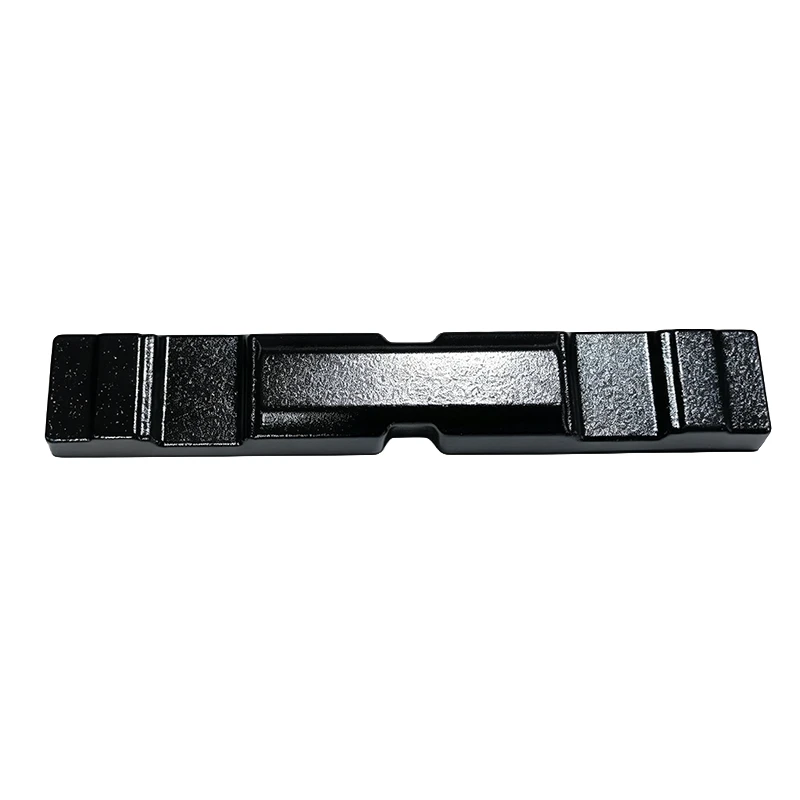
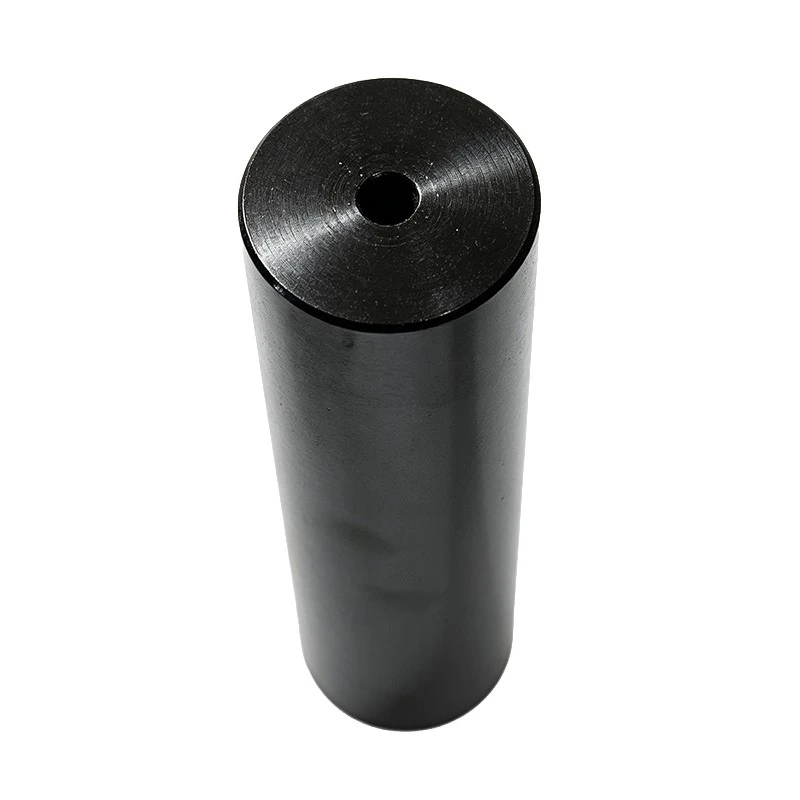
Let’s also talk about different vehicle types, because that changes things. For front-wheel-drive cars with MacPherson struts (super common), the strut is part of the steering system, and the bump stopper is often attached to the strut top mount. If you can swap the stopper without touching the strut mount’s adjustment bolts, no alignment needed. But if you have to loosen the strut mount to get to the stopper, yeah – alignment. For rear-wheel-drive cars or trucks, where bump stoppers are sometimes on the control arms instead of the strut, swapping them is usually even simpler, since control arm bump stoppers rarely impact alignment angles. Same goes for solid rear axles on older vehicles – their bump stoppers are mounted to the axle housing, no connection to wheel angles.
I’ve seen a lot of DIYers make the mistake of skipping the alignment after a stopper swap and then wondering why their tires are wearing on the edges a month later. Or worse, they go to a shop and the shop tries to upsell them on an alignment they don’t need, which is why it’s important to know the difference. Here’s a quick checklist I give every customer when they reach out:
- Did you only remove the old stopper and install the new one without touching strut mounts, tie rods, or control arms? If yes, alignment is almost definitely not needed.
- Did you have to loosen or remove the strut mount or any other alignment-critical parts to get to the stopper? If yes, get an alignment to be safe.
- Was your old stopper completely worn out, leading to hard hits on the suspension or shock? If yes, inspect for bent parts and get an alignment to fix any angle issues.
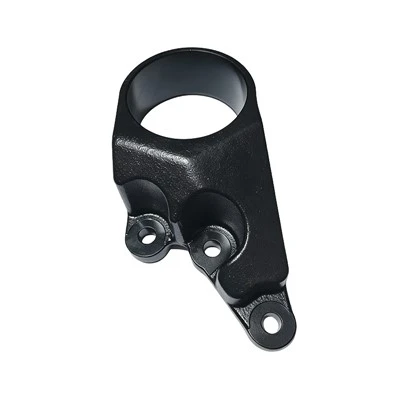
Wait, also – what about if you’re replacing your bump stopper at the same time as other suspension work? Like, if you just put on new shocks or a Shock Absorber Clamp – that’s a different story. Any time you do major suspension work that involves moving the strut or control arms, you want an alignment, regardless of the stopper. But the stopper alone? That’s separate.
Let me share a recent example to make this real. A guy messaged me last month – he had a 2018 Honda Civic, and his front left bump stopper fell off entirely when he hit a curb. He ordered our high-density polyurethane Absorber Bump Stopper (way more durable than the stock rubber ones, by the way) and swapped it in his driveway. He texted me a week later saying he’d skipped the alignment, and his tires were still wearing fine. He didn’t have to touch the strut mount – just unbolted the old stopper, put the new one on with the Shock Absorber Bolt Kit we included, and that was it. No issues.
Another example: a guy with a 2022 Ford F-150 came in a couple weeks ago. His rear bump stopper was cracked, and when he went to remove it, he had to take off the lower control arm end to get it out. Once he did that, he noticed his steering felt a little off, so he took it to a shop and got an alignment – he said it was $80, worth it to not have uneven tires. That’s exactly the case where you need it.
So let’s wrap this up straight: the short answer is – usually no, you don’t need an alignment after replacing a shock absorber stopper. The stopper itself doesn’t affect wheel alignment angles, and most swaps don’t involve touching the parts that do. But there are exceptions: if you had to remove or adjust alignment-related components to get to the stopper, or if your old stopper caused underlying suspension damage, then yes, an alignment is a good call.
If you’re not sure whether you need to adjust anything beyond swapping the stopper, here’s my advice: if you’re a decent DIYer, you can eyeball it before and after. Check if your tires look even, if your steering is centered when you drive straight. If anything feels off, pop into a local alignment shop – most will do a quick check for $20 or so, no pressure. If you’re not comfortable working on suspension stuff at all, take it to a mechanic and let them do the swap, and they can tell you right away if an alignment is needed.
At [Your Company Name], we’ve been supplying high-quality Absorber Bump Stopper, Shock Absorber Clamp, Shock Absorber Cartridge, and all the parts you need for suspension repairs for years. We work with DIYers and mechanics alike, and we’re always here to answer questions – whether it’s about fitting a new stopper or figuring out if you need that alignment. If you’re working on a suspension project and need parts, or just have more questions about alignment or shock parts, reach out to our team to chat about what you need.
References:
- Automotive Suspension Systems: Alignment Fundamentals. SAE International, 2021.
- Bump Stop Function and Installation Guidelines. Modern Automotive Technology, 2022.
- Wheel Alignment: Component Interaction and Adjustment Protocols. ASE Certification Training Manual, 2023.
- Light Truck and Passenger Vehicle Suspension Repair Best Practices. NACE International, 2022.